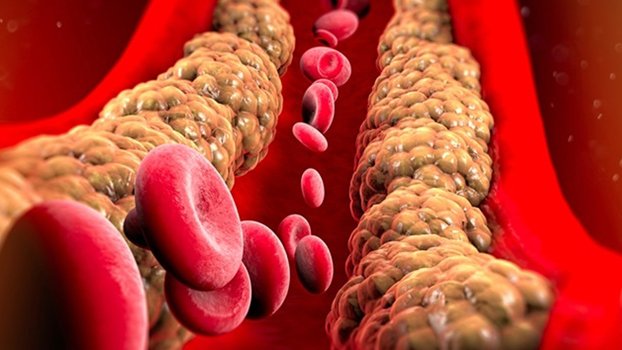
High triglycerides may contribute to hardening of the arteries or thickening of the artery walls (arteriosclerosis) — which increases the risk of stroke, heart attack and heart disease. Extremely high triglycerides can also cause acute inflammation of the pancreas (pancreatitis).
High triglycerides are often a sign of other conditions that increase the risk of heart disease and stroke, including obesity and metabolic syndrome — a cluster of conditions that includes too much fat around the waist, high blood pressure, high triglycerides, high blood sugar and abnormal cholesterol levels.
High triglycerides can also be a sign of:
• Type 2 diabetes or prediabetes
• Metabolic syndrome — a condition when high blood pressure, obesity and high blood sugar occur together, increasing your risk of heart disease
• Low levels of thyroid hormones (hypothyroidism)
• Certain rare genetic conditions that affect how your body converts fat to energy
Sometimes high triglycerides are a side effect of taking certain medications, such as:
• Diuretics
• Estrogen and progestin
• Retinoids
• Steroids
• Beta blockers
• Some immunosuppressants
• Some HIV medications
Courtesy: Mayo Clinic