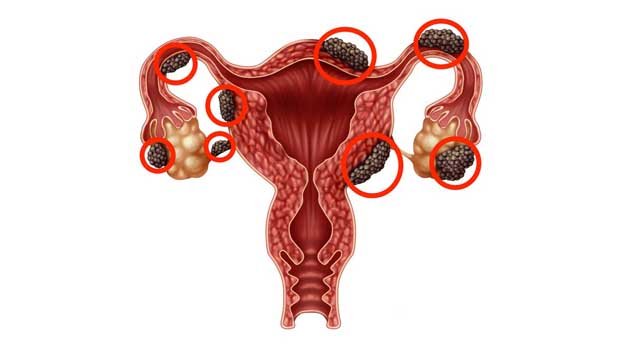
Supplemental hormones are sometimes effective in reducing or eliminating the pain of endometriosis. The rise and fall of hormones during the menstrual cycle causes endometrial implants to thicken, break down and bleed.
Hormonal contraceptives: Birth control pills, patches and vaginal rings help control the hormones responsible for the buildup of endometrial tissue each month. Many have lighter and shorter menstrual flow when they're using a hormonal contraceptive. Using hormonal contraceptives — especially continuous-cycle regimens — may reduce or eliminate pain in some cases.
Gonadotropin-releasing hormone (Gn-RH) agonists and antagonists: These drugs block the production of ovarian-stimulating hormones, lowering estrogen levels and preventing menstruation. This causes endometrial tissue to shrink. Because these drugs create an artificial menopause, taking a low dose of estrogen or progestin along with Gn-RH agonists and antagonists may decrease menopausal side effects.
Progestin therapy: A variety of progestin therapies, including an intrauterine device with levonorgestrel (Mirena, Skyla), contraceptive implant (Nexplanon), contraceptive injection (Depo-Provera) or progestin pill (Camila), can halt menstrual periods and the growth of endometrial implants.
Aromatase inhibitors: Aromatase inhibitors are a class of medicines that reduce the amount of estrogen in your body.
Courtesy: Mayo Clinic