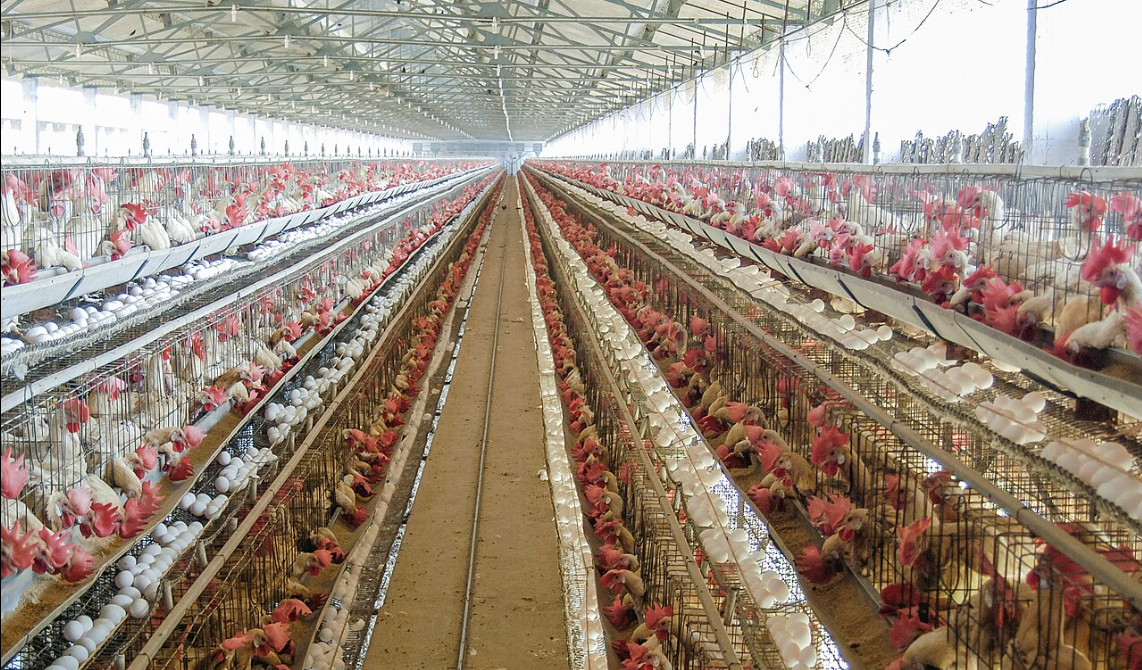
Bangladesh’s poultry sector—valued at approximately Tk 50,000 crore—is facing an existential crisis that demands urgent government attention. Once a cornerstone of affordable protein supply and a key driver of rural employment, the industry is now under severe pressure from escalating production costs and a burdensome tax regime. Unless corrective measures are taken in the upcoming national budget, the consequences could be far-reaching, affecting food security, employment, and economic stability.
According to a report, over the past five years, poultry production costs have risen dramatically. Using 2021 as a benchmark, costs increased to 115 percent in 2022, 145 percent in 2023, and 170 percent in 2024, with projections suggesting a further rise to 190 percent in 2025. This sharp escalation has already slowed the sector’s growth from 5.2 percent in 2022 to an estimated 3.2 percent in 2025. The underlying causes are clear: rising feed prices, heavy reliance on imported inputs, and multiple layers of taxation.
Feed alone accounts for 75 to 80 percent of total production costs, yet feed ingredients remain subject to a 5 percent advance tax on imports. At the same time, Advance Income Tax (AIT) has been raised from 1 percent to 5 percent, turnover tax increased from 0.6 percent to 1 percent, and corporate tax more than doubled from 15 percent to 27.5 percent. These measures have significantly increased the cost of doing business, squeezing profit margins across the value chain.
The burden is most acutely felt by marginal farmers. Many report that producing a single egg costs between Tk 10.50 and Tk 11, while wholesale prices often range from Tk 7.50 to Tk 8.50. Broiler chicken producers face similarly tight margins, with production costs nearly matching market prices. Such conditions leave little room for sustainability, forcing many small entrepreneurs to exit the sector altogether.
This trend poses a serious risk to market balance. If small and medium-scale farmers are driven out, large corporate players will dominate the industry, reducing competition and potentially leading to price manipulation. Consumers, particularly those from low-income groups, will bear the brunt through higher prices for eggs and poultry meat—two of the most accessible sources of protein in the country.
A comparison with regional peers underscores the urgency of reform. Countries such as Pakistan, Thailand, Malaysia, and India offer significantly lower tax rates or generous incentives to support their poultry industries. These policies not only help stabilise production costs but also ensure long-term food security and sectoral growth. Bangladesh, by contrast, risks falling behind due to its relatively high tax burden.
Experts have consistently called for immediate policy adjustments. Reducing corporate tax to 10 percent, lowering AIT to 1 percent, and cutting turnover tax to 0.2 percent would provide much-needed relief. Additionally, removing VAT on poultry products, easing import duties on feed ingredients, and encouraging domestic feed production through incentives are critical steps. Simplifying the tax refund process and providing electricity subsidies for farms would further support struggling producers.
The poultry sector directly and indirectly employs an estimated 60 to 70 lakh people, many of them young entrepreneurs. Its collapse would not only lead to widespread unemployment but also deal a severe blow to the rural economy. More importantly, it would jeopardise the country’s ability to ensure affordable protein for its population.
The government must act decisively. We are agreed with the experts’ opinion that a supportive and pragmatic tax policy is essential to revive confidence in the sector. By reducing the fiscal burden and encouraging investment, policymakers can protect livelihoods, stabilise prices, and secure the nation’s nutritional future.