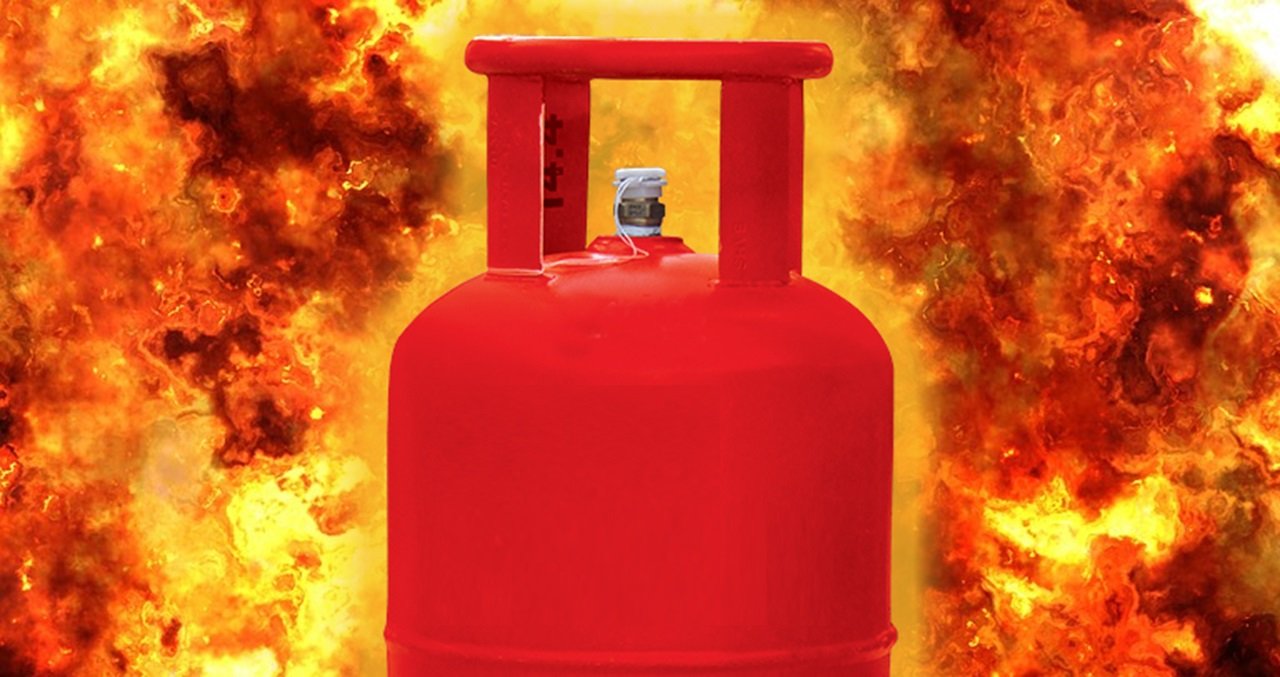
The tragic death of Sayma Akter at the National Institute of Burn and Plastic Surgery has completed one of the most heartbreaking family tragedies in recent memory. With her passing, all five members of a family in Narayanganj’s Fatullah — husband Kalam, wife Sayma, and their three children Munna, Munni, and Kotha — have lost their lives to a gas explosion caused by a preventable gas leak. This is not merely an accident; it is yet another brutal reminder of negligence, institutional failure, and the dangerous indifference that continues to cost innocent lives.
Media reports revealed that the explosion occurred in a ground-floor flat of an eight-storey building when accumulated gas inside a closed room ignited after a lighter was used. According to the Fire Service, the leak came from a gas line adjacent to the kitchen. The result was catastrophic. A father suffered burns on 95 percent of his body, a mother on 60 percent, and three children were left fighting for their lives before eventually succumbing one by one. No words can adequately describe such pain.
Yet, sadly, this is not the first such incident in Narayanganj. The horrifying 2020 Talla mosque explosion, caused by gas leakage during Isha prayers, killed at least 18 people and injured many others. Worshippers, students, workers, fathers, sons — ordinary citizens — were burned alive while praying. That tragedy shook the nation, and promises were made. Committees were formed. Investigations were announced. Recommendations were drafted.
But what changed? Very little. Gas explosions continue to occur in homes, mosques, factories, and commercial buildings across the country. The same cycle repeats itself: leakage, explosion, deaths, outrage, probe committee, silence, and then forgetfulness. Authorities behave as if these are isolated incidents rather than symptoms of a deeply broken safety system.
This must stop.
The repeated failure points directly to negligence by responsible agencies, including gas distribution authorities, building owners, and regulatory bodies. Gas line maintenance is often poor, leak detection systems are absent, and inspections are either irregular or merely on paper. Citizens are left to live with hidden danger beneath their floors and behind their walls.
Titas Gas and other utility providers must be held accountable. Routine inspection should not be optional; it must be mandatory. Old pipelines must be replaced, illegal connections removed, and emergency response systems strengthened. Residential buildings should be regularly checked for gas safety compliance. Building approvals must include strict enforcement of ventilation and gas line standards.
Most importantly, accountability must go beyond committee reports. If negligence is proven, those responsible must face legal consequences. Filing a case under Section 304 is not enough if it ends in paperwork and delay. Justice must be visible and meaningful.
Public awareness is also essential. Many families remain unaware of how deadly a small gas leak can become in a closed room. Safety campaigns, warning systems, and community education can save lives.
Bangladesh cannot continue treating such deaths as fate. These are not natural disasters; they are man-made tragedies. Every preventable death is a policy failure.
The deaths in Fatullah should be the final warning. Authorities must act now—not after the next explosion, not after another grieving family, not after more burned children.
Prevent the leaks. Enforce the rules. Punish negligence. Save lives.