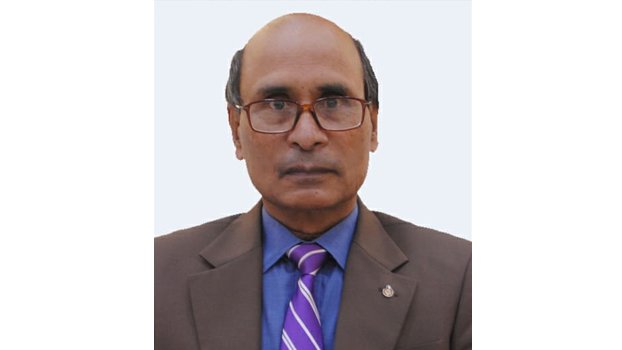
“The Six-Point movement, declared by Father of the Nation Bangabandhu Sheikh Mujibur Rahman was the key to the liberation of Bengalis”, on the occasion of the historic 6-Point Day, Dhaka University of Engineering and Technology (DUET), Gazipur Vice-Chancellor M Habibur Rahman said this in a message.
“The Six-Point movement is not just a certificate of liberation of the Bengali nation; it is the cradle of the historical consciousness of the freedom-loving people of the world”, he added.
He further said that an important chapter of the war of liberation started on June 7, 1966 with the six-point movement declared by Bangabandhu. The day is very significant and unforgettable in the history of Bangladesh's freedom struggle.
Elaborating on the history of the Six Point Day the VC said that Bangabandhu raised a six point demand at the National Conference, convened by all the opposition political parties of East and West Pakistan on February 5, 1966 in Lahore against the policy of exploitation and discrimination of the ruling class of West Pakistan.
“Bangabandhu then returned to Dhaka on 11 February and launched a nationwide campaign in support of these demands. Father of the Nation went to the cities, villages and remote areas of Bengal and presented the need of six points to the people. The people of Bengal spontaneously supported all these demands. The six points became the certificate of liberation of the exploited and deprived people of East Bengal”, he added.
The VC further added, under such circumstances, the autocratic government of Ayub Khan arrested Bangabandhu on May 8, 1966 and sent him to jail. Protesting people took to the streets. The people's protest on June 7 reached a new level. Police and EPR (East Pakistan Rifles) opened fire on people in Dhaka and Narayanganj during a strike called by the Awami League. Manu Mia, Shafiq, Shamsul Haque and 11 others were martyred on the day. In that incident, the movement spread like wildfire all over the country. Following the path of this movement, Bangladesh went ahead on the path of mass uprising of 1969 and liberation war of 1971.
M Habibur Rahman paid deep homage to the memory of all the martyrs of the freedom struggle on the occasion. He also called upon all to build a developed state under the leadership of Prime Minister and Leader of the Nation Sheikh Hasina, cherishing the ideals and philosophy of Bangabandhu Sheikh Mujibur Rahman, with a non-communal spirit.