The recent visit of Prime Minister’s Foreign Affairs Adviser Humayun Kabir to Kuwait as the special envoy of Prime Minister Tarique Rahman has once again highlighted the immense potential for strengthening Bangladesh-Kuwait relations. Discussions between the two sides covered a wide range of issues, including manpower export, investment, civil aviation, trade, and tourism. While these areas are all important, labour cooperation remains the most significant avenue through which Bangladesh can derive substantial economic benefits and deepen its partnership with the Gulf nation.
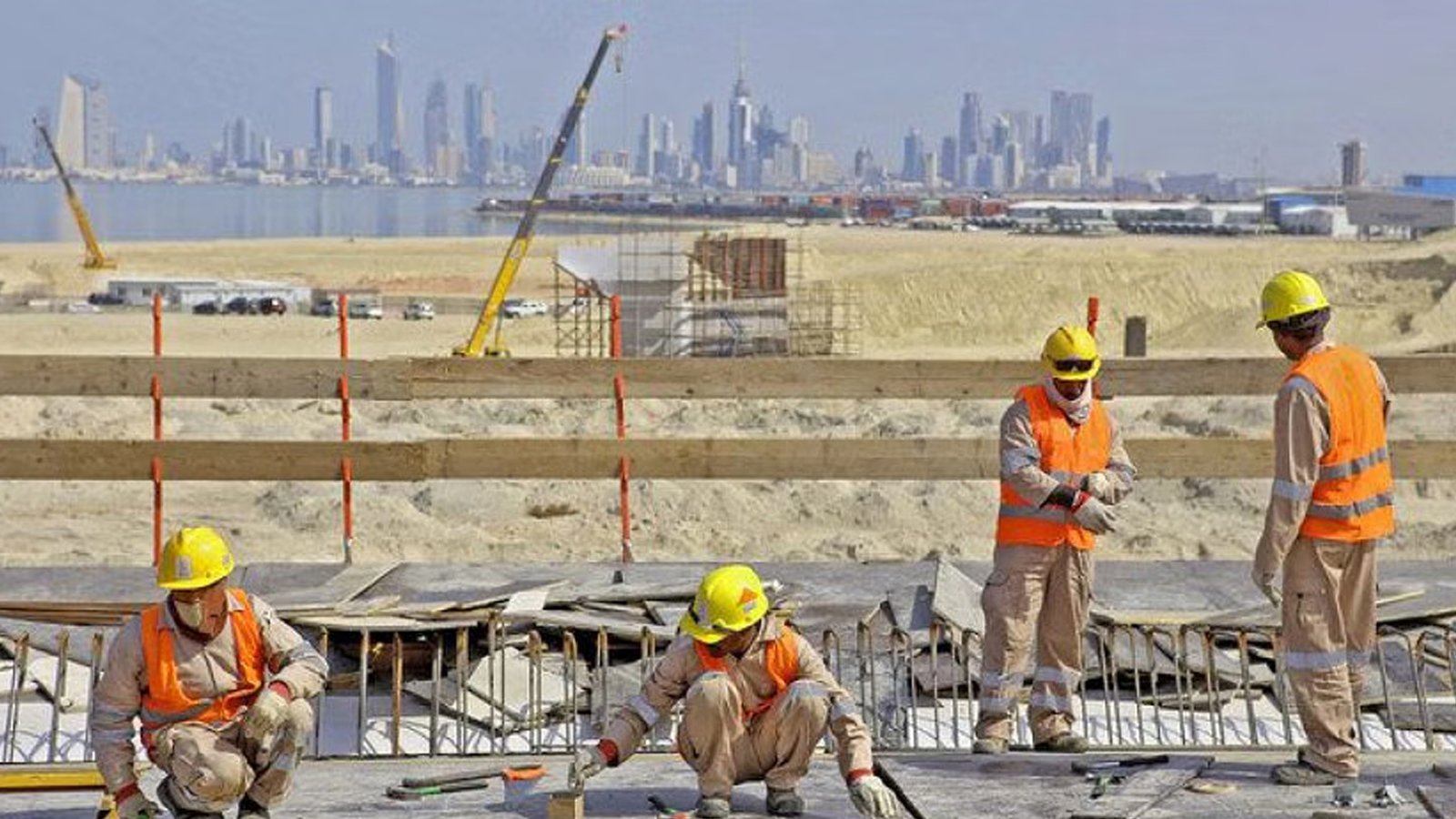
Bangladesh and Kuwait have enjoyed warm and friendly relations for decades, founded on mutual respect, shared values, and strong people-to-people connections. Kuwait has long been an important destination for Bangladeshi workers, whose contributions have helped support the country’s development while generating valuable remittances for Bangladesh. Currently, an estimated 300,000 to 350,000 Bangladeshis are employed in Kuwait across various sectors, including construction, transportation, domestic services, healthcare, engineering, and the military. Their hard work has earned Bangladesh a positive reputation in the Kuwaiti labour market.
The recent diplomatic engagements indicate that both countries are eager to elevate their relationship to a more comprehensive and multidimensional partnership. During the first-ever political consultation held in Dhaka in December 2025, the two sides agreed to enhance cooperation in workforce mobility, education, cybersecurity, defence, trade, and investment. They also expressed their intention to align labour cooperation with Kuwait Vision 2035, a national development strategy that aims to diversify the economy and modernise infrastructure.
This presents a significant opportunity for Bangladesh. Kuwait’s ambitious development plans will require a large and diverse workforce in the coming years. As infrastructure projects expand and economic diversification accelerates, demand for both skilled and semi-skilled workers is expected to increase. Bangladesh is well-positioned to meet this demand. The country possesses a large labour force and has accumulated extensive experience in supplying manpower to Gulf countries.
However, opportunities do not automatically translate into outcomes. Bangladesh must adopt a proactive and strategic approach to maximise the benefits. The government should intensify diplomatic efforts to secure greater market access for Bangladeshi workers and ensure that labour-related agreements are concluded and implemented without delay. High-level engagements must be followed by practical measures that facilitate recruitment and address administrative barriers.
Equally important is the need to improve the quality of manpower being sent abroad. Global labour markets are increasingly seeking skilled workers rather than low-skilled labourers. Bangladesh should therefore expand vocational training programmes, strengthen technical education, and enhance language and professional skills. Special emphasis should be placed on sectors where Kuwait is likely to experience growing demand, including healthcare, information technology, engineering, hospitality, and construction.
The government should also strengthen mechanisms to protect migrant workers and ensure ethical recruitment practices. Excessive migration costs, fraudulent intermediaries, and inadequate support services continue to pose challenges for many overseas workers. Addressing these issues will not only safeguard the rights of Bangladeshi migrants but also enhance the country’s credibility as a reliable source of manpower.
The growing momentum in Bangladesh-Kuwait relations offers a timely opportunity to unlock new economic prospects. With effective diplomacy, targeted workforce development, and strong institutional support, Bangladesh can significantly expand its presence in Kuwait’s labour market. The time has come for policymakers to move beyond rhetoric and take concrete steps to transform this potential into tangible gains for the nation’s economy and its people.