Ariful Islam with Jahangir Hossain in Ishwardi
Once a typical rural community with hundreds of acres of grazing land next to Padma River in Pabna district, it now wears a modern city look with advanced facilities of living. The village called Rooppur in Ishwardi is now home to Bangladesh’s only and biggest nuclear power plant where hundreds of Russian experts are busy constructing two units of huge nuclear generators which would produce around 2,400 megawatts of electricity.
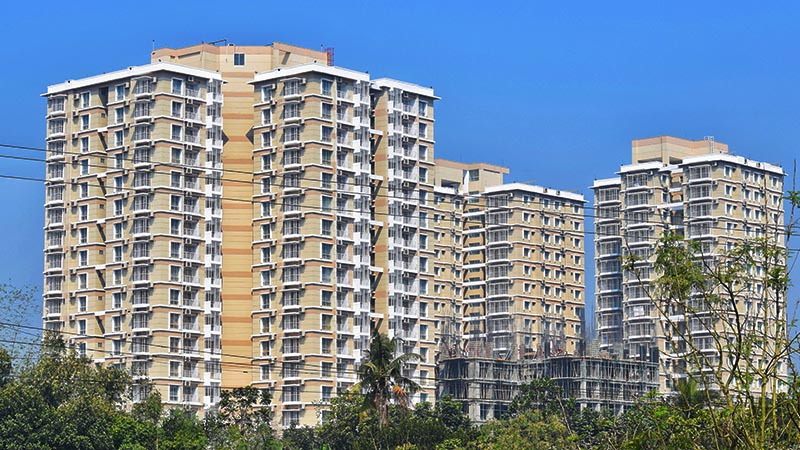
Surrounding the mega power project, Rooppur since October 2013, has seen massive infrastructure development which has completely changed the scenario of the village on 254 acres of land. To facilitate their professional works the project area has already constructed nine accommodation buildings, each 20-storey, amusement parks, recreation centres, swimming pools, roads, pavements, education buildings and shopping malls for staff members and their families.
Local people are not sitting idle. Many small local entrepreneurs have taken business opportunities to develop and opened up restaurants and resorts to attract tourists. Centering the Rooppur power plant adjacent to the areas in Ishwardi tourists would find such resorts offering various leisure and pleasure packages.
The recent developments have dramatically transformed Ishwardi’s look with the massive infrastructures. In fact, local developments have also transformed life of the native people. Most of who lived on agriculture are gradually taking up more lucrative businesses or jobs. Rice grower Mohammad Shahadat Miah, a resident of Uttar Baghoil said, “I make between Taka 9000 and Tk 12,000 at the end of every season selling rice grains. But since last eight months I switched to being a security guard working at a newly built resort in Paksey College. I earn Tk 15,000 a month now. In addition I also make money selling vegetables grown on my home backyard.”
Jamal Talukder, a fellow farmer from Char Sahapur, echoed similar voices. He said, “My economic condition was not as good as I do not have agriculture land of my own like others. I relied on earnings working as a day labourer but whatever I earned was not sufficient for a family of six.” Many people after start of Rooppur project have apparently availed the opportunities of finding better earnings. Rooppur used to be a ground for seasonal agriculture produces which hardly fetched good margins of profits.
Since Rooppur, many are making a fortune doing brisk business. As demand increases so do the employment opportunities. Many of the Nasimon (a diesel engine) drivers have found themselves jobs as private car drivers while others are working inside the plant working as day labourers earning good money.
Taher Khan, a farmer in Lalpur said, “We had only a few options here for earning. Cultivating rice or fruits (litchi). Now, we cannot meet the demands of the foreigners who require skilled professionals like electricians, sewerage workers, gardeners, carpenters, housekeepers and security guards.”
The Ishwardi Upazila Chairman Nuruzzaman Biswas told Bangladesh Post that the radical development of Ishwardi has brought an economic and social changes. Eng Raihanur Islam said, “The RNPP is likely to change the fortune of the locals of Rooppur.” Meanwhile, according to the Rooppur nuclear power project sources, the construction of Green City – another mega project, is going on in full swing on 34 acres of land adjacent to the power plant.
Bangladesh Atomic Energy Commission (BAEC) and Public Works Department (PWD) are jointly implemented the work of Green City. The Project Director of the RNPP project and Managing Director of Nuclear Power Company of Bangladesh Dr Mohammad Shaukat Akbar said that the project development is on schedule and it has completed its first stage of construction already.
“Laboratory and workshops are being built besides the core construction site,” he said adding that, “Around one thousand people, including locals and Russians, are currently working at the project site.” Nuclear Engineering department of the Dhaka University Shafiqul Islam, a member of the project, said, “The construction has started causing a radical transformation of the area. The communication system of the area has been upgraded. The project has created many job opportunities not only for the local people, but also for the people from other parts of the country.”
The Ishwardi city corporation mayor Abul Kalam Azad Mintu told Bangladesh Post, “The flurry of economic activities in the area have upgraded the living standard of the local people.” “Some have even started small and medium scale business. Many feel that the project has started to make a positive impact on the socioeconomic conditions of the region,” he added.