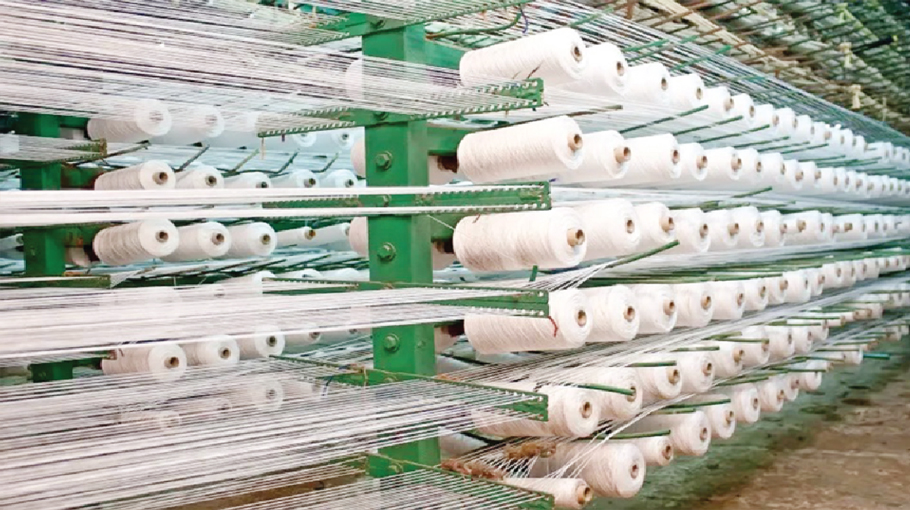
The Bangladesh garment industry, a cornerstone of the country’s export earnings, faces an ominous new challenge as textile mill owners hike the prices of yarn, the primary raw material for garment production. This price surge, occurring amidst a period of hyperinflation and global recession, has triggered concerns of a potential crisis in the crucial sector.
In response to the soaring yarn prices, the apex organization of the garment sector, the Bangladesh Garment Manufacturers and Exporters Association (BGMEA) is grappling with the prospect of importing yarn if competitive local prices cannot be secured.
However, industry leaders express their strong preference for supporting the local industry.
The crisis is compounded by several other factors, including a dollar shortage, reduced loan limits from the Export Development Fund, and a gas crisis that has led to a 50 percent reduction in production capacity for textile sector entrepreneurs. These challenges have driven textile sector players to justify the need for the price hikes in yarn.
Sources closely related to the sector report a significant increase in the prices of all types of yarn over the past two months. Yarn prices are rising by 5 to 10 cents every week, while the import level prices remain stable. This disparity has resulted in a gap of up to one dollar, creating a predicament for the ready-made clothing sector.
As of July 2, the price of 30 card yarn in the domestic market stood at USD 3.20 per ounce. Over the following four weeks, the price steadily climbed to USD 3.85 per ounce by August 27. In contrast, the price of imported yarn increased by only five cents during the same period. Last year, on July 2, yarn of the same quality was priced at USD 2.85, rising to USD 2.90 by July 27.
Speaking about the situation, BGMEA President Mohammad Ali Khokon explained media, “In the last 15 to 20 days, the price of yarn has increased by 15-20 cents. In the first week of July, it was USD 3.20, and now it stands at USD 3.50. While some losses are being mitigated, textile mills have been operating at a loss for a significant period.”
BGMEA Faruque Hassan said, “The recent spike in yarn prices, coupled with inflation and a global recession, may trigger a severe crisis in the industry, especially in top garment export markets.”
He emphasized the need to prioritize the use of local yarn for the sake of the nation.
Hassan pointed out that for a considerable time, the industry had been willing to pay a slight premium for locally sourced yarn. However, an unsustainable price gap with imported yarn threatens the garment sector’s competitiveness on the international stage.
Notably, local yarn procurement offers several advantages, including lead time and the flexibility to replace defective materials quickly. About 90 percent of local yarn is used in the production of knit category garments, while this rate is approximately 50 percent for woven products.
As the garment industry seeks to navigate these turbulent economic waters, balancing the need for competitive prices with supporting local industries remains a critical challenge. The outcome will significantly impact Bangladesh’s export-driven economy and its role in the global textile and apparel market.