Reports have it that the country may face a shortfall of around one lakh tonnes of urea in July for the Aman planting season unless the authorities concerned are able to secure fresh import commitments soon. It is learnt that two consecutive international tenders failed to attract adequate supply. The agriculture ministry currently holds 3.54 lakh tonnes of urea, below its benchmark reserve level of around four lakh tonnes, according to a source. Even with the domestic urea plants back online in May, projected availability of the fertiliser by the end of June is expected to reach about 5.5 lakh tonnes.
But the Aman season will require an estimated 6.65 lakh tonnes of urea, leaving a shortfall of around one lakh tonnes. To replenish fertiliser stocks, the government floated two tenders seeking a total of four lakh tonnes of urea. One tender drew no bids, while the other received only a partial offer, according to officials.
Suppliers have been reluctant to commit amid uncertainty surrounding maritime traffic through the Strait of Hormuz following the Iran war. Bangladesh usually sources the bulk of its imported urea from Gulf producers under government to government(G2G) arrangements, rather than through open tender. The re-tender reflects procurement pressure, an official said, adding that stock levels remain below ‘a comfortable level’ ahead of peak seasonal demand.
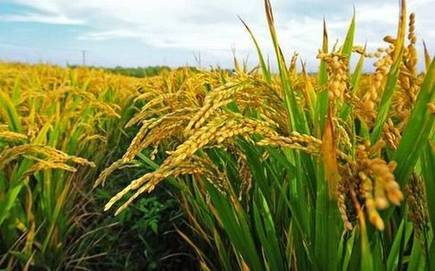
Agriculture is the lifeline of our economy. It comprises about 16 percent of the country’s GDP. Of the agricultural income, crop agriculture alone accounts for 55 percent. There is no alternative to boosting farm yield in the coming years as the country is losing a large percentage of farmland to non- farm use with added population per year. If diminishing return from farmland follows the shortage of inputs like urea, the food security may be in peril and this we can never afford. There has been already a vast damage to Boro paddy due to inclement weather. There must be adequate supply of fertiliser and urea for Aman, the second largest crop of the country. The urea stock still falls short for the Aman season, which runs from July to August and accounts for nearly 10 percent of annual rice output.
Bangladesh requires over 26 lakh tonnes of urea annually, of which around 10 lakh tonnes come from local plants and the rest is imported, mainly from Saudi Arabia, the United Arab Emirates and Qatar.
However, it is necessary to procure early to avoid supply disruption. The global supply situation is quite different due to the war in the Middle East. Therefore, according to experts.
The government’s approach to importing fertiliser will have to change. It will have to be given top priority as there is not much time. As the issue of food security is linked to fertiliser, we need to diversify supply sources instead of depending mainly on Gulf nations, according to experts. Efforts must be there to secure supplies from potential alternative sources including Malaysia, Brunei, Russia,Vietnam, Egypt and Azerbaijan subject to commercial viability.