Negotiations towards a global agreement on how to handle future pandemics seemed on course Friday to be extended for up to a year as countries try to bridge their differences.
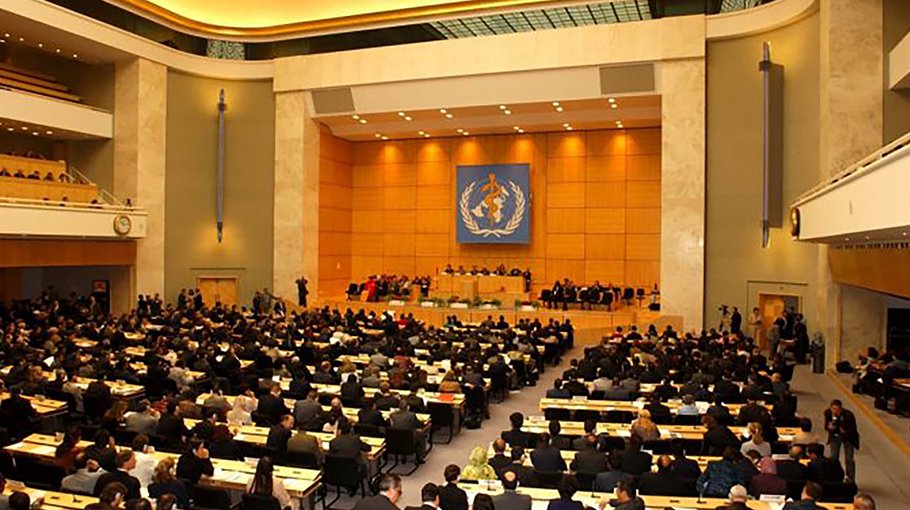
Nations meeting at the annual World Health Assembly (WHA) in Geneva have been trying to work out the way forward, after two years of talks concluded last week without a deal.
In December 2021, spooked by the devastation caused by Covid-19 -- which killed millions of people, shredded economies and crippled health systems -- the WHA commissioned the drafting of an accord on pandemic prevention, preparedness and response.
The ambitious deadline was before the start of this week's WHA, the gathering of the World Health Organization's 194 member states and the UN agency's top decision-making body.
On Tuesday, the assembly tasked South Africa's Precious Matsoso and Roland Driece of the Netherlands, who co-chaired the two years of talks, to lead efforts to stake out the next steps.
Matsoso updated the assembly late Friday, saying the wording for an extension had effectively been agreed.
"It is text that was greened", meaning approved, "agreed to this morning", she said.
Matsoso said that once additional operative paragraphs were finalised, the group would "present it formally as a resolution" on Saturday, the assembly's final day.
- One more year - Green-highlighted text seen by AFP showed countries had agreed "to extend the mandate" of the talks to finish "as soon as possible", with the outcome submitted to the 2025 WHA, or earlier to a WHA special session, "if possible in 2024".
During Tuesday's debates, African countries wanted to seize the growing momentum and get the agreement finished in the coming months, while Washington urged more time to reach the best possible deal, saying up to two years might be needed.
The drafting group appeared to have managed a balancing act between those positions, NGOs said Friday.
"There is a decision which is basically postponing the negotiations for a year, because the deadline is to conclude by 2025," K.M. Gopakumar, senior researcher with the Third World Network, told the UN correspondents' association.
"The compromise is a reasonable one, given the differences."