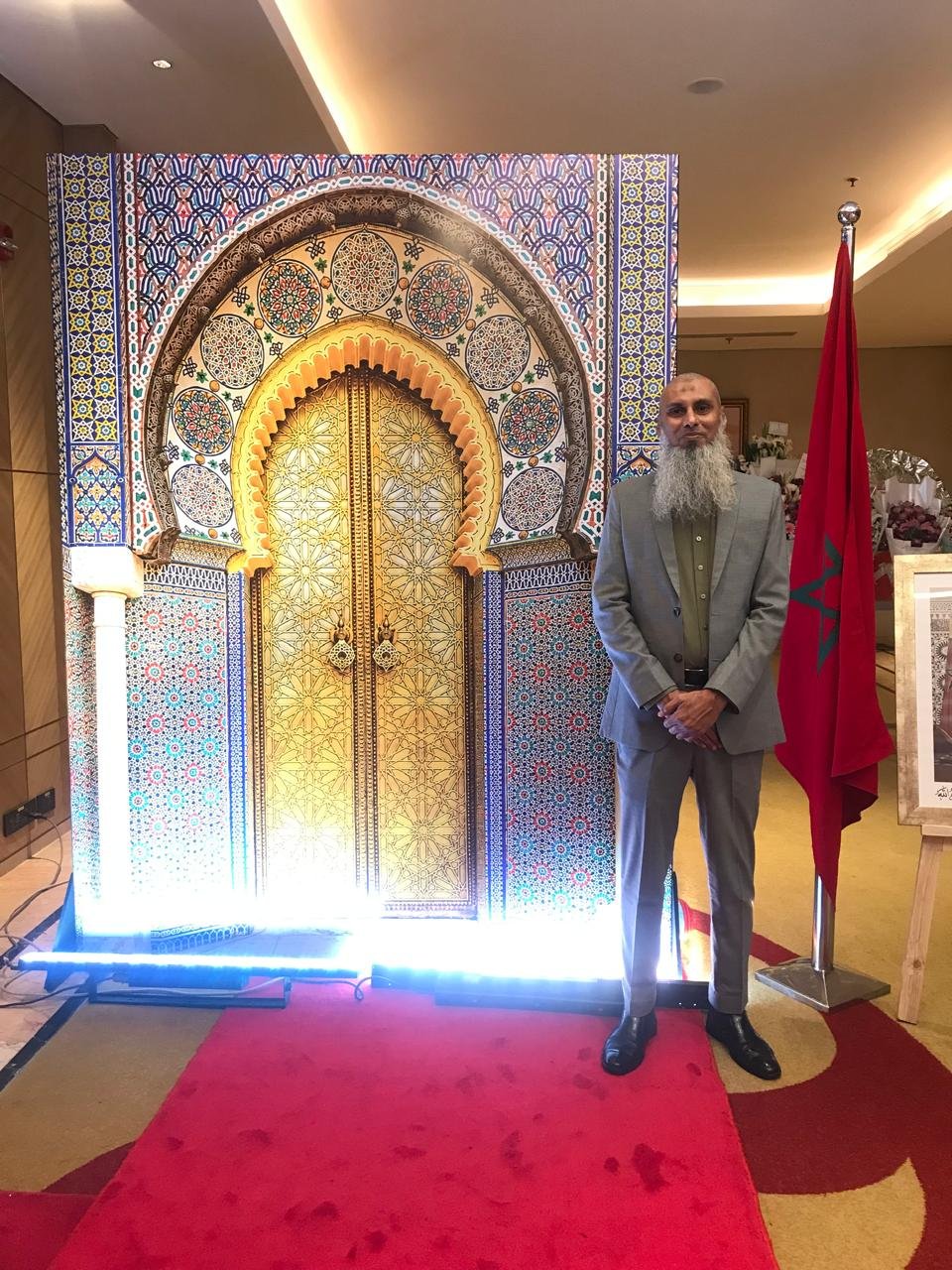
By: Ahammad Parvej Khan
Infrastructural bottlenecks and the absence of a long-term strategic vision remain the primary hurdles to unlocking Bangladesh’s tourism sector, according to Nasir Uddin Badal, a newly elected Director of the Tour Operators Association of Bangladesh (TOAB) and a prominent investor in eco-tourism.
In an exclusive conversation with Bangladesh Post, Badal—the visionary behind Aral Sea and Sundori Eco Resort—shares his perspective on building sustainable eco-tourism in the world’s largest mangrove forest, overcoming regional challenges, and building a globally competitive destination.
Bangladesh Post: Congratulations on your election as Director of TOAB. What key initiatives do you plan to drive during your tenure?
Nasir Uddin Badal: Thank you. I view this achievement not merely as a personal milestone, but as recognition for the dedicated tourism entrepreneurs working in the Sundarbans region. For years, we have strived to deliver international-standard hospitality from outside the capital. The trust reposed in me by TOAB members is both an honour and a responsibility.
My main objective is to unify regional tourism entrepreneurs across Bangladesh into a stronger, collective platform. I intend to focus on: Professional capacity building and skill development across the sector, Elevating safety standards and driving digital promotion and Advocating for policy support and fostering stronger public-private partnerships.
Bangladesh Post: How would you evaluate the current state of tourism in the Sundarbans?
Nasir Uddin Badal: The Sundarbans holds immense potential as a UNESCO World Heritage Site, drawing thousands of domestic and international visitors annually. However, we remain far behind where we ought to be. We face notable deficits in high-quality transportation, secure jetty facilities, safe water transit, eco-friendly accommodation, skilled tour guides, and targeted international branding.
Bangladesh Post: As an investor with ventures like ‘Aral Sea’ and ‘Sundori Eco Resort,’ how do you measure the impact of your projects?
Nasir Uddin Badal: From inception, my objective was to establish a model of hospitality that lets visitors experience the unique ecosystem of the Sundarbans without compromising its delicate balance. We prioritized eco-friendly design, low-impact infrastructure, and local architectural styles. Crucially, we chose to empower local communities—the majority of our staff are recruited directly from nearby villages.
Bangladesh Post: What are the primary obstacles to developing sustainable tourism in this region?
Nasir Uddin Badal: Infrastructure remains our largest bottleneck, alongside a lack of coherent, long-term planning. While tourist interest is high, inadequate transport logistics, scarce reliable information, and a lack of modern amenities frequently deter travellers. Furthermore, Bangladesh suffers from a lack of high-impact international destination marketing.
"Sustainable tourism is only possible when nature is protected. Balancing conservation with accessibility is the absolute core of eco-tourism."
Bangladesh Post: How critical is environmental conservation to the future of tourism in sensitive areas like the Sundarbans?
Nasir Uddin Badal: That balance is the core philosophy of eco-tourism. We actively urge our guests to minimize single-use plastics, adhere to strict waste management practices, and observe all guidelines issued by the Forest Department. The Sundarbans is one of our greatest national assets, and preserving it is non-negotiable.
Bangladesh Post: What role does regional tourism play in Bangladesh’s broader economy?
Nasir Uddin Badal: It serves as an economic lifeline for local communities. Thousands of households surrounding the Sundarbans depend directly or indirectly on tourist activity. The sector drives livelihoods across hotels, eco-resorts, river transport, tour guiding, handicrafts, and local gastronomy.
Bangladesh Post: What strategic steps must be taken to boost inbound international arrivals?
Nasir Uddin Badal: To attract global travellers, we need a multi-pronged approach: Global Branding: Execute targeted campaigns showcasing the Sundarbans on international platforms, Visa Facilitation: Simplify entry and visa procedures for international tourists, Infrastructure Upgrades: Elevate water transit, jetties, and safety standards to international levels. Strategic Outreach: Expand presence at international travel expos and forge deeper partnerships with global travel agencies.
Bangladesh Post: How is climate change impacting the Sundarbans and its tourism ecosystem?
Nasir Uddin Badal: We witness the climate crisis firsthand. Cyclones are increasing in frequency and severity, riverbank erosion is accelerating, and rising salinity levels are putting biodiversity under severe stress. Because tourism depends on environmental stability, climate-resilient infrastructure and proactive conservation are no longer optional—they are imperative.
Bangladesh Post: Looking ahead, what is your vision for tourism in the Sundarbans over the next five years?
Nasir Uddin Badal: I envision the Sundarbans becoming a globally recognized benchmark for sustainable eco-tourism—where environmental stewardship and economic growth thrive hand in hand. Over the next five years, I hope to see world-class eco-resorts, certified professional guides, modern water transport, robust infrastructure, and a significant rise in conscious global visitors. We will complete our another project named ‘Sundori Resort at Sreemongol, Sylhet at the same time another Resort will be established at Lama in hill Tracts. I believe that the government should promote the Archeological sites specially in the areas like Rajshahi and Bogra. The government also should arrange visit by the Ambassadors and High Commissioners of different countries to those areas.
Bangladesh Post: What message would you like to share with prospective visitors?
Nasir Uddin Badal: I warmly welcome everyone to explore the natural wonder of the Sundarbans, but I ask every visitor to be a responsible traveller. Please eliminate plastic litter, respect local wildlife, minimize noise pollution, and strictly abide by Forest Department guidelines. Help us safeguard this natural treasure for generations to come.