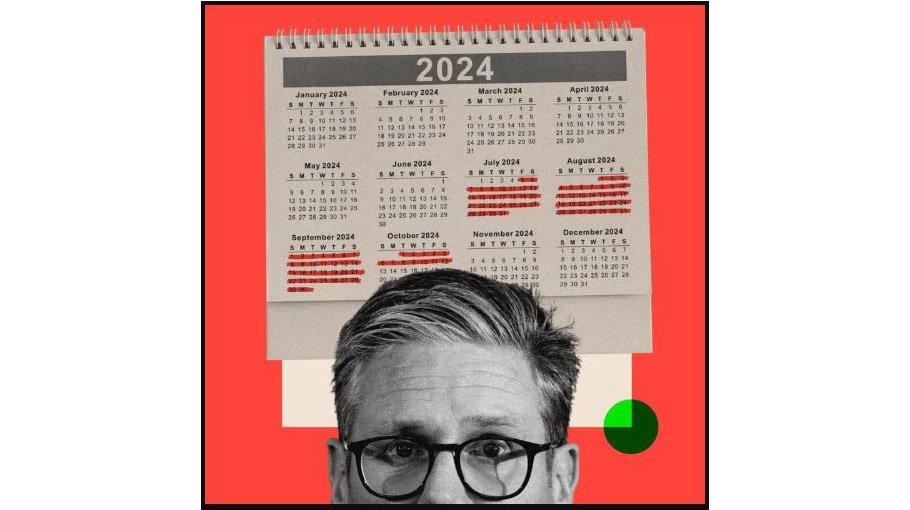
As Labour marks its first 100 days in power under Prime Minister Keir Starmer, the government's journey has been a mix of promise and peril. "It’s not at all how I imagined winning would be," reflects one minister, highlighting the challenges that have surfaced since taking office.
According to BBC news published on Saturday, Starmer's tenure has seen significant announcements, international events, and a few stumbles. The PM himself described the experience as “choppy.” Recent days have witnessed tensions with major investors after a government minister suggested a consumer boycott, illustrating the hurdles facing the new administration.
The concept of 100 days in power originated with U.S. President Franklin D. Roosevelt, who used this period to implement sweeping changes during the Great Depression. Labour argues that its inherited challenges are equally daunting, and Starmer’s initial period has had both triumphs and trials.
Among the successes, Labour has pushed through several key policies from its manifesto. These include reforms to planning rules, nationalising railways, and enhancing workers' rights. "Our agenda is massive," stated one minister, reflecting optimism despite setbacks.
However, the party faces internal strife, evident in recent polling declines and discontent over a plan to alter pensioner benefits. "That's the stuff of Labour nightmares," said an insider. The government’s missteps have included a public spat with P&O Ferries over a proposed investment summit and ongoing concerns regarding the departure of former chief of staff Sue Grey.
While some view these as minor teething problems, others worry they reveal deeper flaws in the government's operation. "There was an election plan, but no clear vision for government," noted one source.
Amidst these challenges, the PM's handling of summer riots has been praised. “He is a serious man; he is made for it,” one cabinet member remarked, emphasising Starmer's decisive leadership during crises. Additionally, relationships with regional governments have reportedly improved.
Despite the rocky start, many believe Labour can recover. "Things are absolutely recoverable," one senior figure reminded colleagues, recalling similar struggles faced by Tony Blair’s government in 1997.
As Labour moves forward, there are calls for a clearer sense of identity and purpose. “We were always not Corbyn, then not the Tories—now what?” questioned one minister.
With a strong majority and a disorganised opposition, the Labour government has time to define its direction. Starmer, underestimated in the past, may yet surprise critics as he navigates the complexities of leadership. The first 100 days have posed challenges, but hopes for brighter days remain.