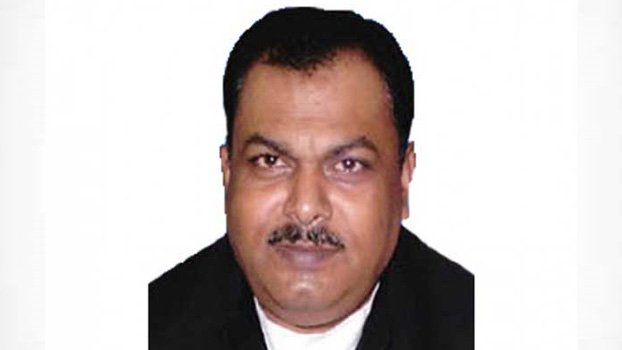
State Minister for Ministry of Primary and Mass Education Zakir Hossain said the government was working on introducing the toll-free hotline 3336 for the students to get assistance from teachers over phone.
“The hotline will be launched this month,” he said while unveiling a survey report that found that 16 students at the primary and secondary level are gripped by panic while 10 percent are reluctant to maintain basic hygiene practices.
BRAC conducted the survey that showed this large number of students remained panicked since the closure of all educational institutions from March 17 due to the spread of COVID-19 pandemic.
Moreover, the pandemic has created a negative attitude towards study among a large number of students.
The students also do not prefer online classes.
The study also suggests that limitations of necessary arrangements such as television, internet, electricity or dish connection and language barriers for the students from ethnic minorities are the key causes for keeping students away from distant learning being offered by the government authorities.
The findings along with a number of recommendations of the survey titled “Impact of COVID-19 on education in Bangladesh” were revealed at a digitally organised discussion held Saturday.
The state minister said after Sangsad Television, they have taken initiatives to deliver classes through Bangladesh Betar.
“With support from the government platform Muktopaath, we are also trying to launch subject-based e-learning courses for teachers,” he said.
The study also found that many students do not prefer the existing distant learning method.
BRAC said reasons behind that should be identified.
BRAC conducted the survey between May 4 and May 7 covering 1,938 students studying in primary and secondary schools in 16 districts.
The study suggests that the experience of being panicked is higher among the students with disabilities (29%).
About 17% of female students, students of secondary schools and those living in rural areas, and those studying in madrasas are also passing their days in a concerned state.
When asked what they do if panicked, most of them answered either they remain silent and in bad mood all the time, express unwillingness to read or play, or get scared seeing outsiders.
They also said they feel unwilling to talk to anyone or feel scared staying alone.
A large section of students (44%) having a negative attitude towards study reported that they are not getting any direction from schools, which has been reported mostly by madrasa students and those living in rural areas as well.
In 22% of cases, food crisis in the family appeared to be a major issue, which has been reported mostly by madrasa students and those living in urban areas.
Majority of about 31 million primary and secondary students (90%) wash hands with soap and water or clean hands by using sanitiser, which the study found to be quite alarming as the rest still remain reluctant to maintain basic hygiene practices to protect themselves from coronavirus infection.
Even, 18% students said they go out of their home amid the lockdown situation.
Most of the respondents (54%) opined in favour of taking extra classes once classes resume to cover the time lost.
Despite realising that the spread of the pandemic is on the rise, 49% of respondents opined for opening schools within a short period.
They also recommended trimming syllabus and relaxing examinations.
To help the students recover from psychological trauma, the respondents suggested different measures including arranging recreational activities once classes resume, providing gifts or increasing the amount of stipend, strengthening online and distant learning processes.
The survey stressed that arrangements should be made to ensure students’ access to the existing distant learning processes.