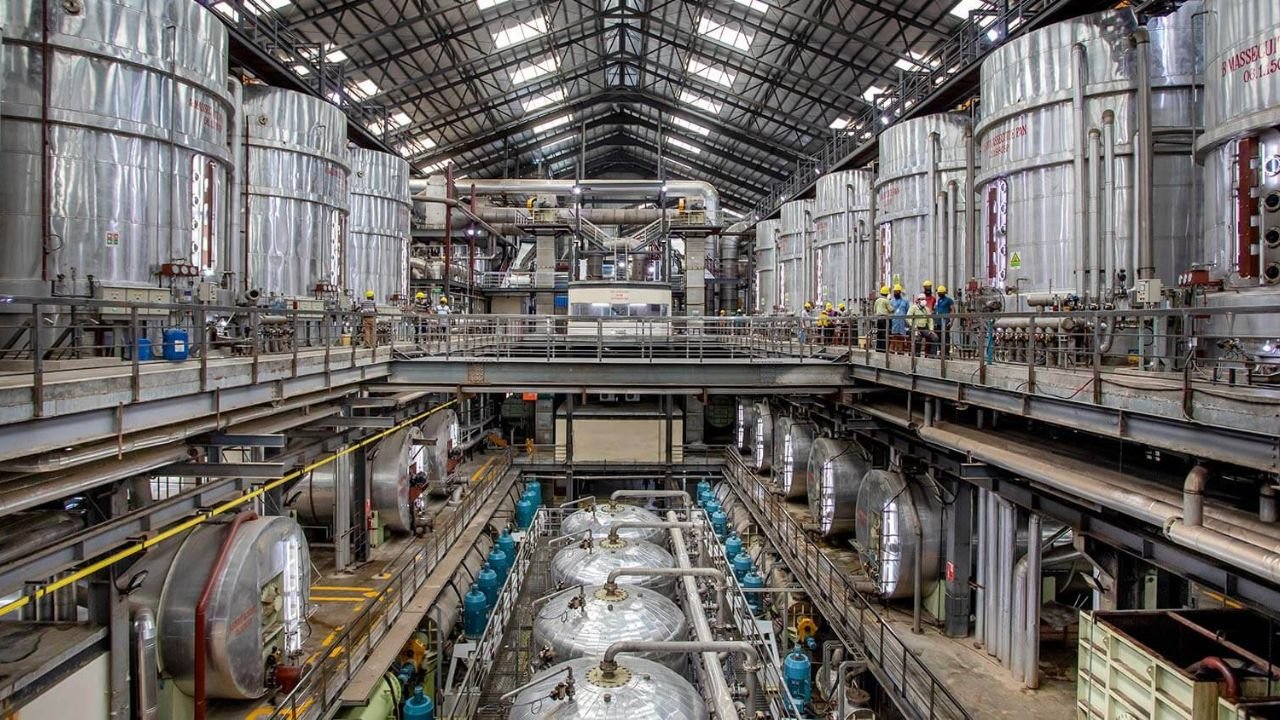
Industries, Commerce, Textiles and Jute Minister Khandakar Abdul Muktadir very recently said the government is firmly committed to reopening the country’s closed state-owned sugar mills. He underscored that decisions would be taken prioritizing the interests of sugarcane growers, workers and the long-term commercial viability of the mills.
We are in accord with the minister when he says the sugar mills are assets of the people of Bangladesh and ensuring their honest and effective utilisation is the government’s responsibility. According to the minister, Government wants the closed industrial units to return to production, create employment opportunities, and bring renewed momentum to local economies.
The simultaneous growth of Agriculture and industrial sectors is the sine qua non for Bangladesh economy to be a vibrant and buoyant one. Bringing sick and mothballed industrial units back into operation to boost production and employment is, therefore, a top priority. So, it is a matter of glad tidings that the government is advancing an integrated, time-appropriate action plan to revive the industrial sector. A healthy economy demands robust investment and constant employment opportunities for people. The initiative on the part of the government will attract new investment, increase production, and create significant job opportunities and the government aims to complete the process within the next year.
We may refer to proposals from Deputy commissioners as they offered practical, field-based recommendations from their respective districts. Their proposals included reviving industries, establishing new industrial zones, reopening closed sugar mills among other rthings.
Several sugar mills in the country are currently shut, while many operating mills are functioning under various limitations. Most of the mills are aged over 50 to 70 years, making modernisation, renovation and technological upgrades essential for their effective revival. Some mills need to be reopened through the installation of new machinery, some require infrastructural renovation, while alternative plans may be necessary for others. In every case, the interests of sugarcane farmers, workers’ employment and profitable management have to be ensured. It is a fact that a functioning factory generates jobs not only for direct workers but also creates opportunities through multidimensional economic activities linked to it. Therefore, reopening the closed mills is highly essential for boosting overall economic activities and reducing poverty as well.
Increased employments will enhance cash flow among people which will go a long way in activating local economies and this way it will reduce poverty. With this goal in view, the government is advancing industrial revitalisation efforts. The revival and revitalisation of industrial units are more than indispensable and suitable steps on the part of government brook no delay.