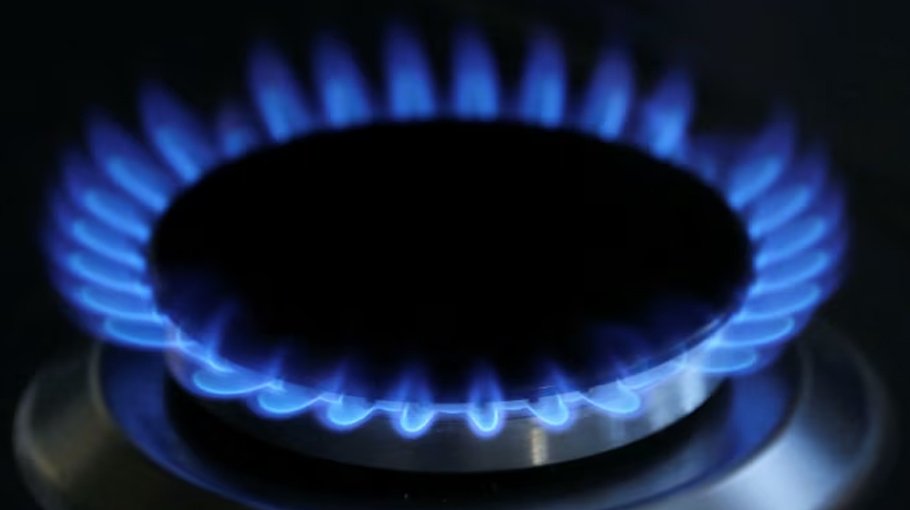
The household, industry and CNG stations are suffering from gas crisis in the country, especially in Dhaka.
Cooking at homes as well running industries have become a tough task due to gas the crisis. There is no supply in many households most of the time, and many industrialists claim that their production has been seriously disrupted due to the ongoing crisis.
The gas crisis usually worsens during the winter, but this year the gas crisis turned acute over a month before the winter.
Over four million consumers who depend on piped gas for cooking are facing the crisis, mostly in Dhaka, while hundreds of thousands of others rely on CNG-run three-wheelers for their commutes.
Aklima Akter Chompa, a housewife of South Banasree area in the capital, said that their family is facing problems during preparing
of day’s meals after 7:00 am. She wakes up early in the morning to prepare tiffin for her children, breakfast for the entire family, and then lunch.
Hundreds of thousands of low-income families living in shanties share a common kitchen, taking their turn to cook. These families face serious problem as they can neither cook properly at home nor afford takeaway foods.
Working women are particularly under a lot of stress due to the gas crisis. The timing of the gas crisis in city households might vary depending on locations, but generally, the crisis stays between 7:00am and 5:00pm every day.
The gas bill is calculated assuming that a double burner user consumes 66 cubic metres a month while a single burner burns 55 cubic metres, according to a Bangladesh Energy Regulatory Commission (BERC).
A double burner user currently pays Tk 1,080, while a single burner user pays Tk 990 per month.
The BERC, however, said that domestic gas consumers don’t use more than 40 cubic metres. “We pay far more than what we get. This is injustice,’ said Razia Sultana of Rampura area in the city.
The daily gas report by Petrobangla showed that gas supply stood at 2,804 mmcfd against the state-owned gas company’s capacity to supply 3,760mmcfd.
Households account for 13 per cent of daily gas consumption, while industries consume 19 per cent and power plants 57 per cent. Commercial entities account for one per cent of supplied gas, followed by four per cent consumed by CNG stations and six per cent by fertiliser factories.
The gas supply in the national grid dropped by 300 mmcfd. On October 9, LNG supply stood at 952 mmcfd, which dropped to 701 mmcfd on October 18.