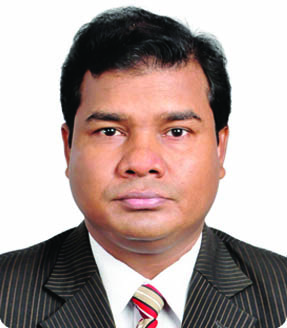
Ahammad Parvej Khan
Experts, policymakers, development partners and environmental practitioners emphasized the urgent need to integrate climate resilience into public health systems during a roundtable discussion titled “Nature and Health: Building Climate-Resilient Public Health Systems”, organized by UNOPS Bangladesh in collaboration with the Department of Environment, BIMSTEC and the Embassy of Sweden at the Department of Environment Conference Room in Dhaka.
The event brought together representatives from government institutions, international organizations, academia and development partners to discuss the increasing impacts of climate change on public health and the importance of nature-based solutions in strengthening health systems.
Dr. M A Muhit, State Minister, Ministry of Health and Family Welfare, attended the event as Chief Guest. In his remarks, he underscored the need for stronger collaboration across sectors to address the interconnected challenges of climate change and health.
“Climate change is no longer only an environmental issue, it is a major public health challenge. Bangladesh must continue investing in resilient health systems, environmental protection and preventive measures to safeguard the wellbeing of our people, particularly the most vulnerable communities.”
Delivering special remarks, Sudhir Muralidharan, Country Manager of UNOPS Bangladesh and Bhutan, highlighted the close relationship between healthy ecosystems and healthy communities.
“Investing in nature is also an investment in human health. Climate-resilient infrastructure and sustainable public systems are critical to protecting communities from emerging environmental and health risks.”
The keynote address was delivered by Prof. Dr. Iqbal Kabir, Director, Center for Climate Change and Public Health, who discussed the growing health impacts of climate change, including heat stress, changing disease patterns, air pollution and water-related health risks.
Representing BIMSTEC, Sonam C. Namgyel, Director, BIMSTEC Secretariat, emphasized the importance of regional cooperation in addressing the interconnected challenges of climate change and public health.
Special remarks were also delivered by Dr. Zahirul Islam, Public Health Advisor, Embassy of Sweden, who reiterated Sweden's commitment to supporting climate action and sustainable development initiatives that place human health and resilience at the center.
The discussion further highlighted the importance of integrating environmental sustainability, public health planning and climate adaptation efforts to achieve the Sustainable Development Goals and ensure that communities are better prepared to face future environmental and health challenges.
The event concluded with a renewed commitment among stakeholders to strengthen partnerships and advance policies and investments that promote both environmental sustainability and public health resilience in Bangladesh and the broader region.