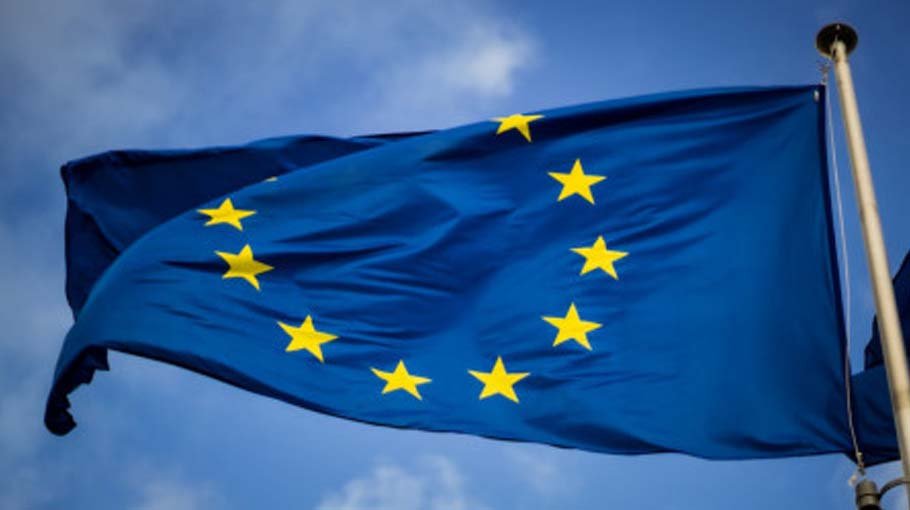
The European Union (EU) will send observers to observe the upcoming parliamentary elections supposed to be held early next January as per the constitution.
However, the EU will not send its full team of observers to monitor the next general elections due to ‘budgetary constraints,’ the Election Commission has said.
“The European Union has informed the Election Commission through email on Wednesday that they will send its observers to observe the upcoming national polls but will not send its full-fledged observation team due to the fund constraints in the fiscal 2023-24,” secretary of the election commission Md Jahangir Alam told reporters at a press conference held at the Nirbachan Bhaban in the capital on Thursday.
“The EU head of delegation has informed the commission through foreign ministry that they held several meetings with different stakeholders including the election commission in Bangladesh on the situation of the upcoming polls in July which is very fruitful. They thanked all the stakeholders,” the secretary said.
Quoting an email, he said that the EU hoped to keep in regular communication with the commission along with the chief election commissioner (CEC) Kazi Habibul Awal.
The EC secretary said that they have mentioned the ‘full-fledge’ team in email. It will depend on the EU whether it sends a small team and local team in Bangladesh to observe the parliamentary polls as they have informed the commission to continue the communication with the EC.
Meanwhile, the EU also did not send any observers to Bangladesh in the last two parliamentary polls held in 2014 and 2018. The last such team sent to Bangladesh was in 2008 elections.
On July 9 this year, a six-member Election Exploratory Mission (ExM) of the EU delegation visited Bangladesh to observe the political situation and to know whether the country's election atmosphere is good.
They held meetings with high officials of government bodies including the foreign ministry, National Human Rights Commission (NHRC), Bangladesh Police, Ministry of Chittagong Hill Tract Affairs, the attorney general, home affairs, information ministry, and law ministry.
During these meetings, the EU mainly wants to know about the possibility of violence before the upcoming national election, poll time security measures and the overall human rights situation in Bangladesh.
The delegation met a number of civil society members, some of whom made clear that they still questioned whether a level playing field could be created under the current process. It also held a series of meetings on 15 July with the major political parties.