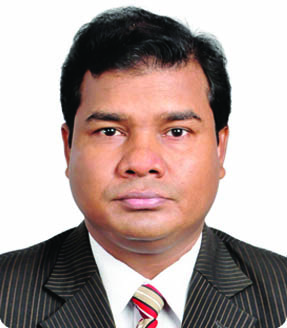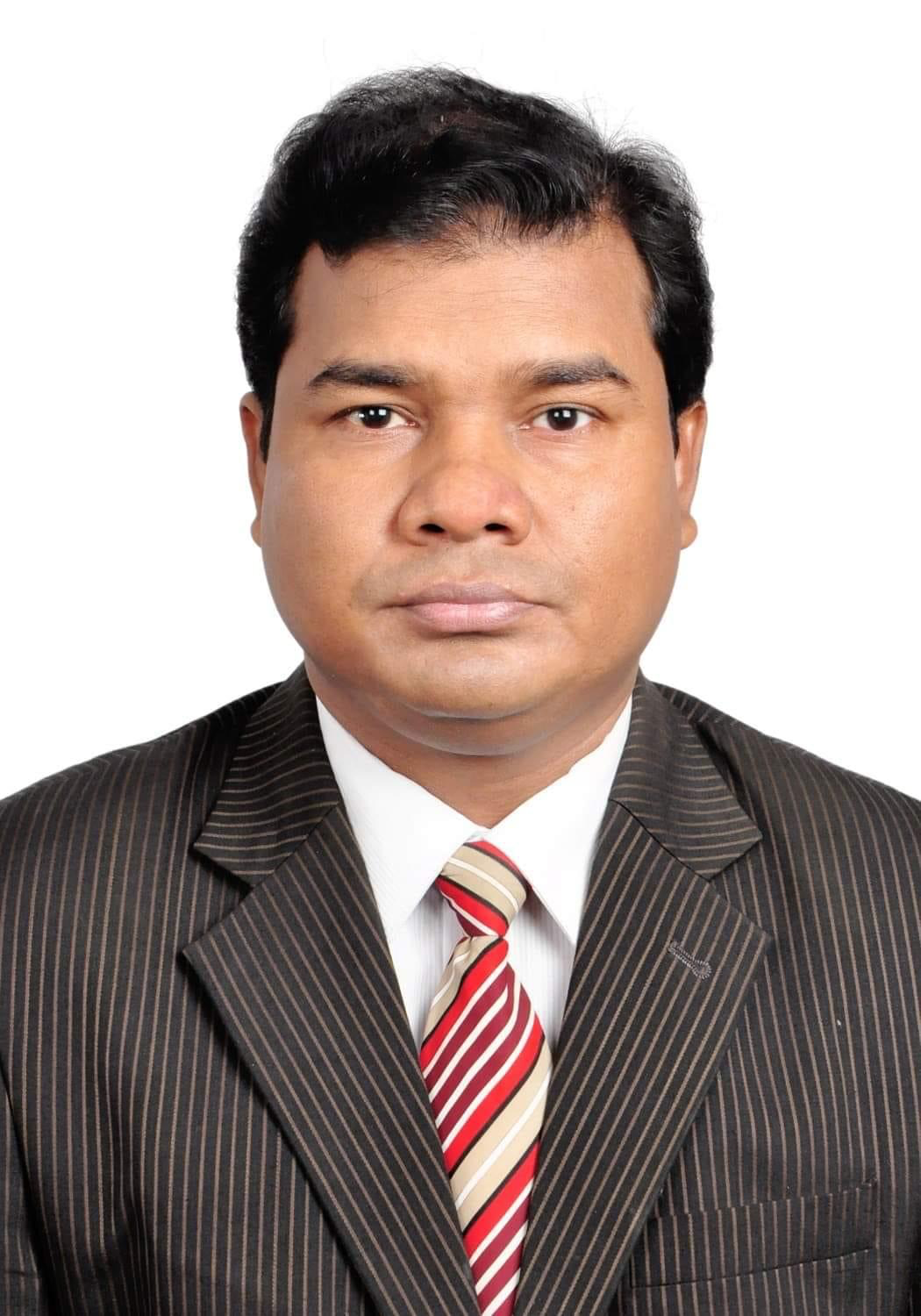
By: Ahammad Parvej Khan
Every year, International Youth Day arrives as a timely reminder of the vibrant energy, innovative capacity, and potential that young people bring to society. In 2026, as we observe this day under the theme "Different Contexts, Common Aspirations," we are called to reflect on a fundamental truth: while youth across the globe navigate vastly different socio-economic realities, their ultimate goals remain strikingly uniform. Wherever they are, young people yearn for dignity, equitable opportunities, quality education, mental well-being, and a secure, sustainable future.
Yet, a closer look at the ground reality in developing nations like Bangladesh reveals a growing chasm between these universal aspirations and everyday experiences. A recent nationwide youth survey highlights a pressing list of challenges confronting the current generation: systemic unemployment, severe skill mismatches, escalating mental health issues, digital addictions, and a persistent exclusion from policy-making spaces.
It is not that young people lack potential or ambition. Rather, the ecosystem needed to nurture, guide, and channel their talents remains inadequate.
One of the most immediate crises facing young graduates today is the struggle for meaningful employment. After investing years in higher education, a vast number of young individuals find themselves trapped in prolonged unemployment or underemployment.
The problem goes deeper than a simple shortage of jobs; it lies in a structural mismatch between traditional academic curricula and modern market demands. For decades, education systems have prioritized exam performance and degree acquisition over real-world competence. Consequently, many young job seekers hold multiple certificates yet lack critical soft skills, command of functional English, advanced digital literacy, adaptability, and problem-solving abilities tailored for an AI-driven economy.
To bridge this gap, higher education must pivot toward action-oriented learning. Expanding hands-on training, internships, apprenticeships, and vocational programs is essential. Furthermore, establishing strong institutional links between academia and industry will ensure students gain direct market exposure well before graduation.
Beyond economic worries, the survey underlines a rising tide of depression, anxiety, and helplessness among young adults. The chronic uncertainty surrounding future prospects, paired with a lack of structured career guidance, takes a heavy psychological toll.
Even after completing degrees and training, many youth encounter a hyper-competitive job market devoid of financial security. This systemic stagnation, compounded by global macro-pressures—such as economic inflation, climate anxiety, geopolitical instability, and regional conflicts—creates an overwhelming mental burden. Addressing youth mental health is no longer a peripheral wellness concern; it is a vital prerequisite for national productivity and social stability.
While technology offers unprecedented access to information, its unregulated usage has introduced complex socio-behavioral hazards. Youth leaders express increasing alarm over digital addiction, screen time overload, and social isolation. Prolonged smartphone exposure has noticeably eroded attention spans and fragmented real-world community engagement.
Even more troubling is the widespread rise of online gambling, sports betting, and digital casino platforms. Lured by promises of quick financial gains in uncertain economic times, many young people fall into financial traps and cycles of addiction, further derailing their personal and professional development.
If we are to honor the true spirit of International Youth Day 2026, we must move beyond symbolic celebrations toward concrete structural interventions.
The aspirations of our youth—for dignity, opportunity, and security—are neither radical nor unachievable. By aligning our educational and economic systems with the demands of the modern world, we can transform today's challenges into opportunities, empowering the next generation to build a resilient and prosperous future.
The Author: Ahammad Parvej Khan,
is a Senior Journalist. parvejif@gmail,com