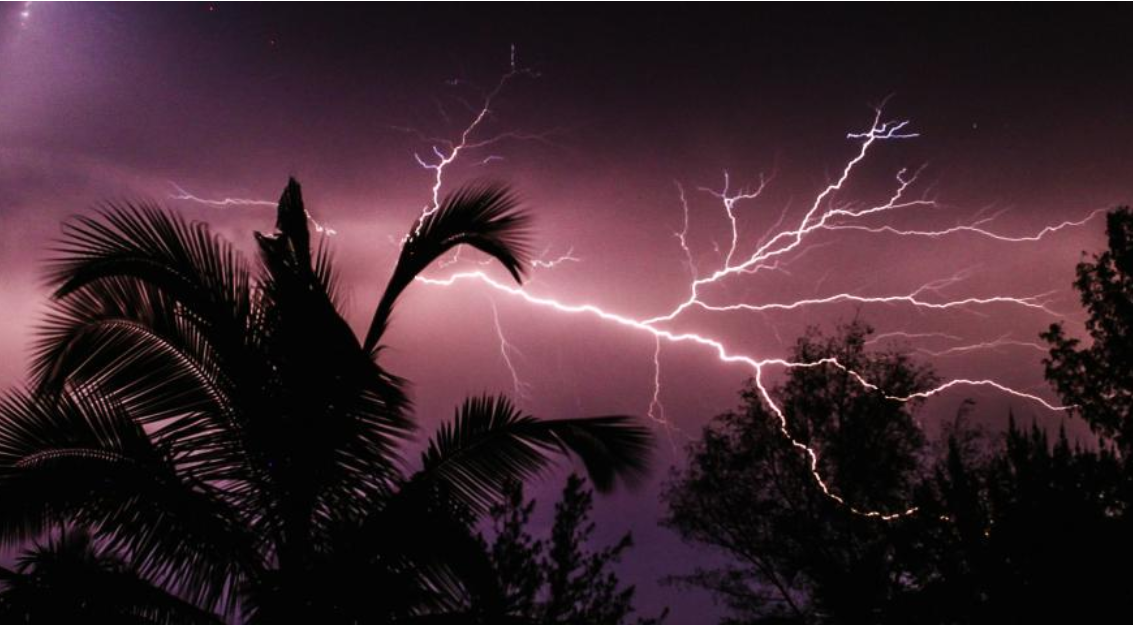
Lightning has become a serious public safety issue in Bangladesh as it claims lives of a large number of people across the country every year.
Bangladesh like many other countries is under grave threat of deadly thunderstorms due to its geographic location and climate change.
According to media reports over 300 people die from lightning strikes in different parts of the country annually, which deserves proper attention by the authorities concerned.
Although lightning is one of nature’s most powerful and dangerous phenomena, it often receives far less attention than other natural calamities. People living in rural areas areas are most vulnerable to lightning strikes. In countries like Bangladesh, where agriculture plays a major role and people frequently work outdoors, lightning has become a growing public safety concern.
One of the most alarming aspects of lightning is its unpredictability. It can strike suddenly during thunderstorms, catching people off guard. Farmers working in fields, fishermen on rivers, and even children playing outside are highly vulnerable. Tall trees, open fields, and water bodies increase the risk, as lightning tends to strike the highest or most conductive point in an area.
The rising number of lightning-related deaths in recent years highlights the need for urgent preventive measures. Climate change is believed to be a contributing factor, as increasing temperatures lead to more intense and frequent thunderstorms. Despite this, public awareness about lightning safety remains limited. Many people are still unaware of basic precautions that could save lives.
Awareness is the first and most effective tool to combat this issue. People should be taught simple safety rules, such as avoiding open spaces during thunderstorms, not taking shelter under trees, and staying away from water.
When indoors, it is safer to avoid using electrical appliances and to stay away from windows. Schools, community centers, and media platforms should actively spread this knowledge.
Government and local authorities also have a crucial role to play. Installing lightning protection systems in vulnerable areas, such as schools and rural homes, can significantly reduce casualties. Early warning systems and weather alerts should be improved and made accessible to all, especially in remote regions. Additionally, planting tall trees in a planned manner can help act as natural lightning conductors, reducing direct human exposure.
Another important step is ensuring quick medical response. Victims of lightning strikes often need immediate treatment, and timely medical care can make the difference between life and death. Strengthening rural healthcare facilities and training first responders can improve survival rates.
Lightning may be a natural occurrence, but its devastating impact can be minimised through awareness, preparedness, and proper infrastructure. It is not enough to accept lightning as an unavoidable danger; instead, it must be treated as a major public safety issue. We can save many lives from silent yet deadly threat with collective efforts from individuals, communities and the authorities concerned.