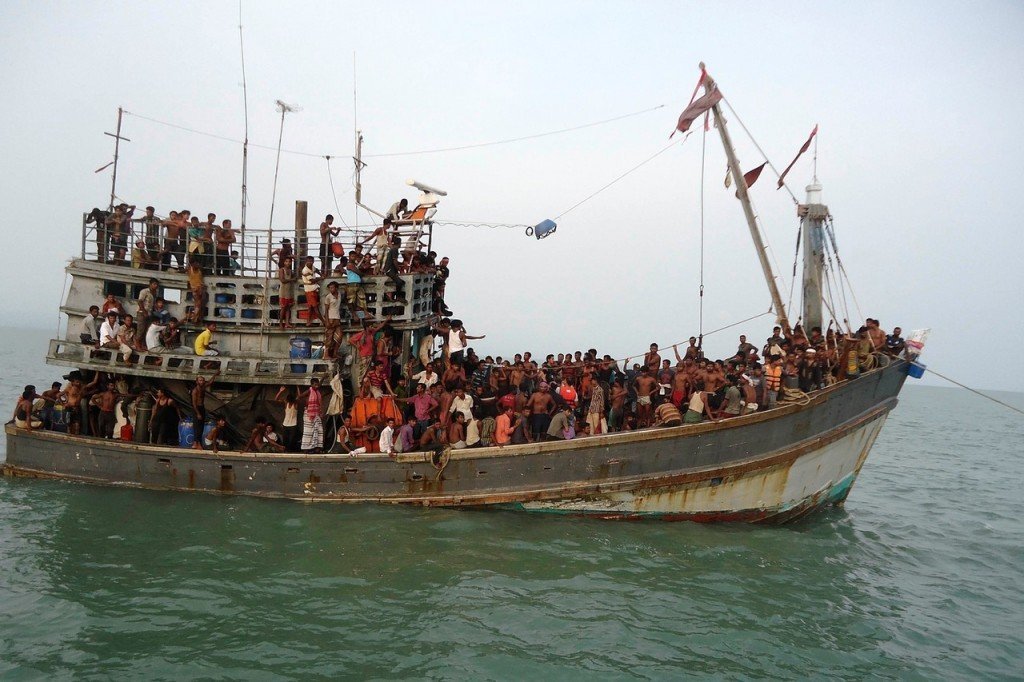
In Bangladesh human trafficking cases now often end in acquittal as victims or families worn down by lengthy trials and financial strain, opt for compromise. Official data show how rarely such cases end in conviction. In 2023, according to the data, 415 of 436 disposed cases ended in acquittal, clearing 1,617 accused. In 2024,342 of 363 disposed cases ended in acquittal, releasing 1,250 accused. The pattern continued in 2025, when 236 of 245 disposed cases ended in acquittal, with 857 accused walking free.
The recent plethora of the crime of human trafficking in Bangladesh and the acquittal of the accused in such cases makes people stunned. The reasons for human trafficking are not much difficult to identify. The existing social milieu, economic system, cultural condition are favourable to trafficking of youths, Poverty is also a major factor behind trafficking from rural areas. Illiteracy, landlessness, overpopulation, low levels of income, lack of jobs and other amenities of life make rural people, especially the poor, vulnerable to trafficking. Only laws and fear of punishment cannot stop traffickers from committing crime. As exemplary punishment is rarely awarded to the traffickers, the culprits keep on repeating the crime.
Such high acquittal and low conviction rates are attributed to the lack of documentary evidence from abroad, the absence of witnesses and the lengthy legal process that exhausts the victims and their families. The victims ultimately find the compromise preferable to waiting for justice. Cases sometimes take four to five years and by that time the victims and their families become financially and mentally drained out. The victims and their families remain desperate to recover quickly the huge sums they already spent either as ransom or as migration fees. Many incur big debts to raise the funds and the pressure to repay them forces them towards settlement with the accused.
Such out of court settlements are one of the key reasons behind the high acquittal rates.
Thus, the maxim- justice delayed is justice denied- operates in these cases.
As a result of the high rate of acquittals, members of trafficking networks feel emboldened to repeat their crimes. The seven anti- human trafficking prevention tribunals in divisional headquarters are inadequate to handle the large number of pending cases. The government should increase the number of such tribunals. This
would reduce the costs for victims and their families. Besides, no complaint surfaces as the victims do not have any evidence in their hands to prove the wrongdoings. There is also no strong mechanism to stop such malpractice. The government should ensure stronger victim protection mechanisms and create a fund to support trafficking survivors during the protracted legal battles. Coordination with foreign countries is also essential not only to obtain evidence but also to bring perpetrators to justice and curb irregular migration and trafficking. In view of the increase in the number of trafficking, the government must enforce stringently the laws and ensure proper punishment to the traffickers.