Farmers have been left unhappy with lower rainfall during the monsoon season this year as they were unable to plant paddy on time due to a lack of natural irrigation.
As a result, farmers are now facing additional costs for growing the crop as they are having to spend extra on electricity and diesel to power their irrigation machines.
However, the situation is different where irrigation powerful pumps are used.
They were able to sow the crop 15-20 days ahead.
Besides, it goes without saying that those who planted paddy at the right time will surely get better yields, according to agriculture officials.
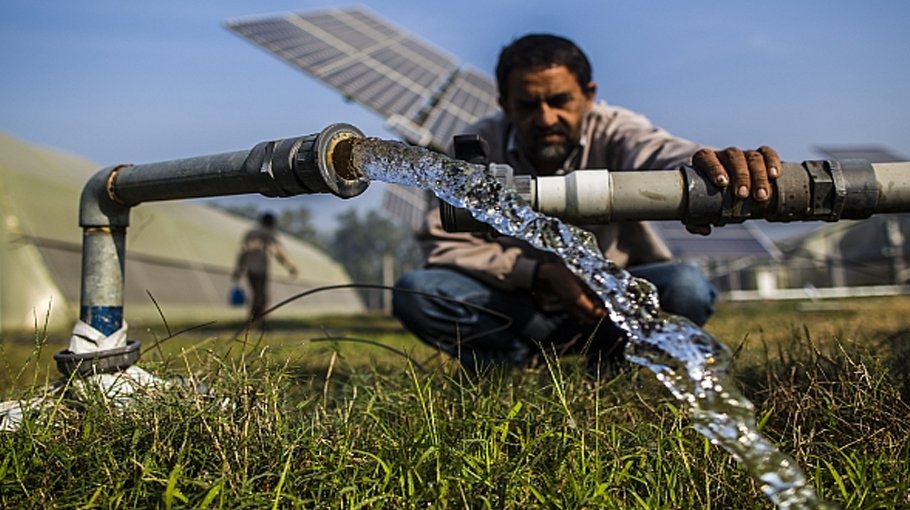
Meanwhile solar powered irrigation has lots of advantages already tested in the areas.
As per data of the Sustainable and Renewable Energy Development Authority (SREDA), solar power contributes 80.4 percent, or about 960 megawatts (MW), of the renewable energy in Bangladesh.
And of the 1,194 MWs of renewable energy produced each year, some 2,877 solar powered pumps (SIP) across the country account for 52.29 MWs so far.
The Infrastructure Development Company Ltd has installed 1,523 SIPs, generating 42 MWs, while the Barind Multipurpose Development Authority set up 792 units.