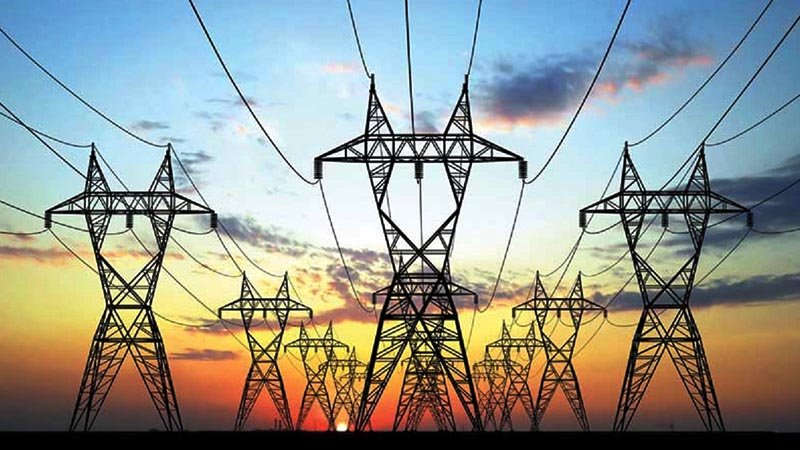
Bangladesh has made significant progress in power sector as 93 percent of the country’s 160 million people are now under the coverage of electricity. A strong political commitment of the incumbent government, long-term energy planning and private financing have been playing a crucial role in this progress, according to World Bank published Energy Progress Report 2019.
Among countries with the largest population without access to electricity, Bangladesh, Kenya, Myanmar, and Sudan have made the most progress, report mentioned, the report said. Combining grid and off-grid solutions, including solar lighting, solar home systems, and increasingly mini-grids, will be crucial in maintaining and extending the pace of progress, the WB report observed.
The issue of reliability and affordability can’t be ignored, the WB report said, adding that one-third of access-deficit countries face more than one disruption in electricity supply per week. It also mentioned that basic electricity was unaffordable for 40 percent of households in about half of these countries. Significant efforts have been made to deploy renewable energy technology for electricity generation and to improve energy efficiency across the world, it went on saying.
However, access to clean cooking solutions and the use of renewable energy in heat generation and transport are still lagging far behind the goals, the report added.
Meanwhile, global electrification rate reached 89 percent; the number of people without electricity access dropped to around 840 million, compared to 1 billion in 2016 and 1.2 billion in 2010, the report said. Under current policies, an estimated 8 percent of global population will not have access to electricity in 2030, 90% of them will be in sub-Saharan Africa, it added.
The Energy Progress Report 2019 shows that despite the progress, reaching the remaining unserved people, including those connected to frail and overburdened urban grids, as well as displaced people, and hard-to-reach locations, will be challenging. An estimated 650 million people will be left without electricity access in 2030.
The report tracks global, regional and country progress on the three targets of SDG7: access to energy and clean cooking, renewable energy and energy efficiency. It identifies priorities for action and best practices that have proven successful in helping policymakers and development partners understand what is needed to overcome challenges.