Ahammad Parvej Khan
In a major push toward climate resilience and ocean-based carbon accounting, the Food and Agriculture Organization of the United Nations (FAO) and the Bangladesh Forest Department launched the "Blue Carbon for the Future" (BCF) initiative at Khulna University on August 22.
The project aims to quantify deep-soil carbon stocks across the Sundarbans, positioning Bangladesh to tap into global carbon markets and bolster its standing in international climate negotiations.
The initiative operates under the Bangladesh Climate Change Mitigation component of the Bay of Bengal Large Marine Ecosystem (BOBLME) Phase II Project, funded by the Global Environment Facility (GEF).
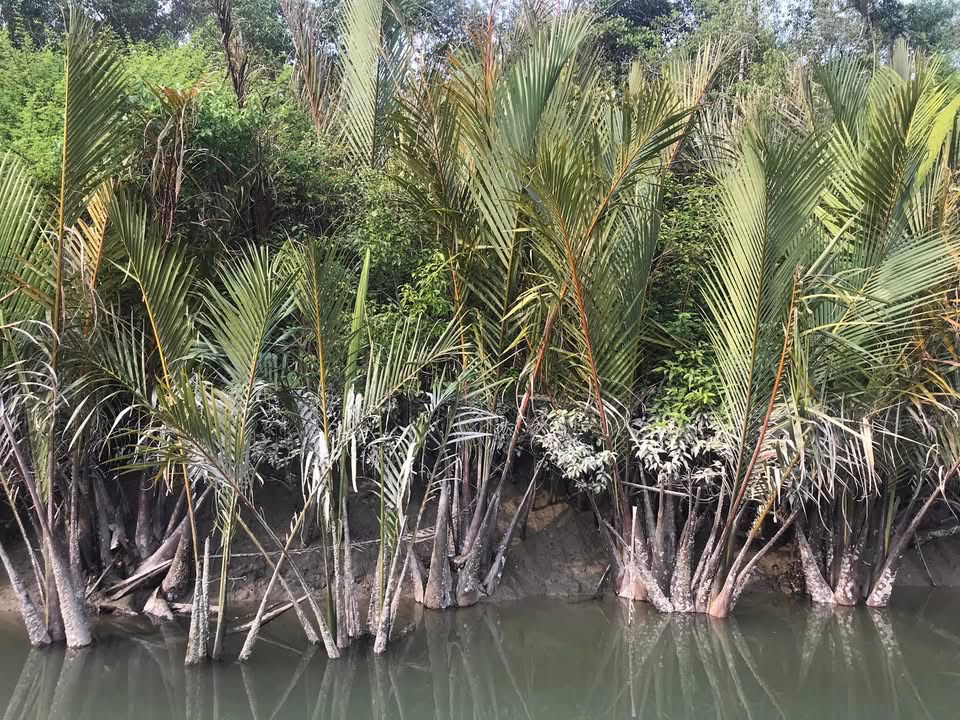
Scientific Depth and Carbon Accounting Mangroves sequester carbon at rates up to four times higher than terrestrial tropical forests, making the Sundarbans one of the country's most vital natural climate assets.
While past inventories primarily assessed above-ground biomass, the BCF initiative will gather soil core samples down to a depth of five meters across 173 designated plots.
Integrating this subterranean data with National Forest Inventory records will generate a precise scientific baseline. This dataset will directly feed into Bangladesh's Nationally Determined Contributions (NDCs), Nationally Greenhouse Gas Inventories, and Biennial Transparency Reports (BTRs) under the Paris Agreement framework.
Attending as Chief Guest, State Minister for Environment, Forest and Climate Change Shaikh Faridul Islam emphasized the strategic value of deep-soil measurement: "Understanding the soil carbon stock beneath the Sundarbans mangrove forest will strengthen our position at the climate negotiation table to realize carbon sequestration benefits and make us unique across the globe."
Climate policy experts note that robust blue carbon data is essential for unlocking results-based financing and international climate funds. Recent ecological assessments indicate that while the Bangladesh Sundarbans stores upwards of 90–100 Teragrams (Tg) of blue carbon, rising salinity, sea-level rise, and changing vegetation patterns threaten long-term storage capacity.
Highlighting the transition from research to action, Dia Sanou, Deputy FAO Representative in Bangladesh, remarked during the inception workshop: "Today’s workshop marks the beginning of a journey from data to knowledge, and from decisions to impact. The real measure will be whether this knowledge helps us make better management decisions, reduce pressure on the ecosystem, strengthen community resilience, and maintain the Sundarbans as a powerful natural climate solution."
Beyond soil sampling, the BCF project addresses local drivers of forest degradation. The program will introduce climate-resilient fisheries, expand sustainable non-timber forest product (NTFP) supply chains, and build technical capacity among institutional stakeholders to reduce community reliance on sensitive forest zones.
The workshop was chaired by Imran Ahmed, Conservator of Forests (Khulna Circle), with special addresses delivered by Professor Dr. Md. Golam Hossain, Dean of the Life Science School at Khulna University, along with representatives from civil society organizations and climate research institutes.