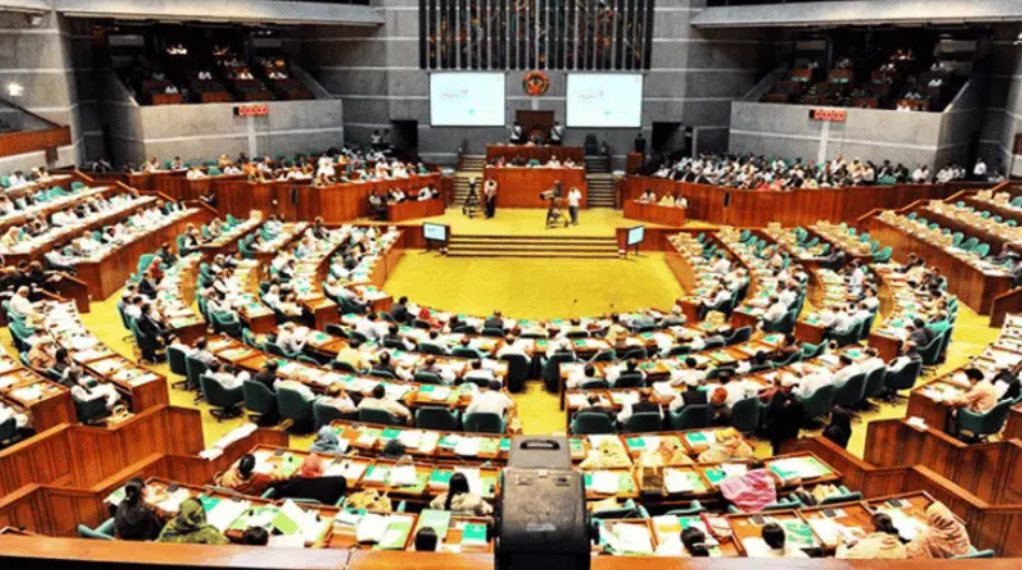
The closing day of the first session of the 13th Parliament offered Bangladesh something rare yet deeply necessary—an encouraging display of political maturity and national responsibility. Prime Minister Tarique Rahman and Opposition Leader Shafiqur Rahman, despite standing on opposite sides of the political aisle, spoke in a remarkably similar tone: Parliament must not fail, and national interests must rise above partisan conflict.
This is not merely a parliamentary moment; it is a message of hope for the nation.
Prime Minister Tarique Rahman’s appeal to the opposition to work together with the government to make Parliament effective reflects a strong understanding of democratic responsibility. His statement that “if you fail, I fail; if I fail, you fail” captures the very essence of parliamentary democracy. Government and opposition are not enemies of the state; they are partners in ensuring the state functions properly.
His reminder of the political instability caused by prolonged hartals in the past was also timely. Bangladesh has paid a heavy price for destructive political confrontation—economic losses, delayed development, weakened institutions, and public suffering. The country cannot afford to return to that path. Stability in Parliament means stability in governance, and stability in governance means progress for the people.
Equally commendable was the speech of opposition leader Dr. Shafiqur Rahman. His emphasis on respecting the Constitution, pursuing political demands through democratic movements rather than revolt, and calling for national unity deserves appreciation. His strong stance against extortion, campus violence, and lawlessness reflects the voice of ordinary citizens who seek safety, justice, and dignity in daily life.
His demand for visible progress on the Teesta River project also highlights an important truth: opposition politics should not merely oppose—it should raise people’s real concerns. By focusing on the suffering of Teesta basin residents, extortion affecting small businesses, and justice for victims of past crimes, he demonstrated how an effective opposition can strengthen governance rather than weaken it.
What made the day truly significant was the shared tone of both leaders. Both called for dialogue. Both stressed cooperation. Both placed Bangladesh above party interests. In recent political history, such alignment between the Prime Minister and the Opposition Leader has been rare. It signals the possibility of a healthier democratic culture—one based on debate without destruction and criticism without chaos.
This spirit deserves support from all sections of society. Citizens want a government that listens and delivers, and an opposition that questions responsibly and protects public interest. They do not want endless confrontation, street violence, or politics driven by revenge. They want jobs, justice, education, security, and relief from inflation and corruption.
Parliament should be the place where these national priorities are debated and resolved. The opposition must play its watchdog role to prevent corruption and abuse of power, while the government must remain open to criticism and reform. Both sides must remember that democracy is strongest when disagreement remains within democratic boundaries.
Bangladesh stands at a critical moment, facing economic pressures, global uncertainty, and public demands for reform. National unity does not mean political surrender; it means shared commitment to national survival and prosperity.
The words spoken in Parliament must now be matched by action. If both the government and opposition truly work together for the people, this Parliament can become a turning point in Bangladesh’s democratic journey.
That would be a victory not for any party—but for Bangladesh itself.