Today, 12 November, marks the 54th anniversary of the catastrophic 1970 Bhola Cyclone, one of the deadliest natural disasters in recorded history. On this day in 1970, a super cyclone — known as Gorky — struck Bangladesh’s coastal belt with devastating force, leaving behind a trail of death and destruction that the region has yet to recover from.
With wind speeds reaching up to 224 kilometres per hour, the cyclone battered the coastal districts of Bhola, Patuakhali, Barishal, and Lakshmipur, causing tidal surges of 10 to 20 feet that submerged entire villages. Nearly one million people were killed, and millions more lost their homes, livestock, and livelihoods.
Survivors still recount the horror of that night. Many families were wiped out in moments, their homes washed away by the tidal waves.
Khalek Munshi, a resident of Shaula village, recalled that his family took shelter in a tree when floodwaters rose, but his parents and brother were swept away and drowned.
Similarly, Jhantu Khan from the same village lost his brothers who were fishing in the Bay of Bengal — their bodies were never recovered.
Abul Hossain Gazi from Kalaiya village said, “The storm began around midnight. There were no embankments then. The water entered our homes with tremendous force, rising up to 20 feet. When it was over, bodies were scattered everywhere — it was like doomsday.”
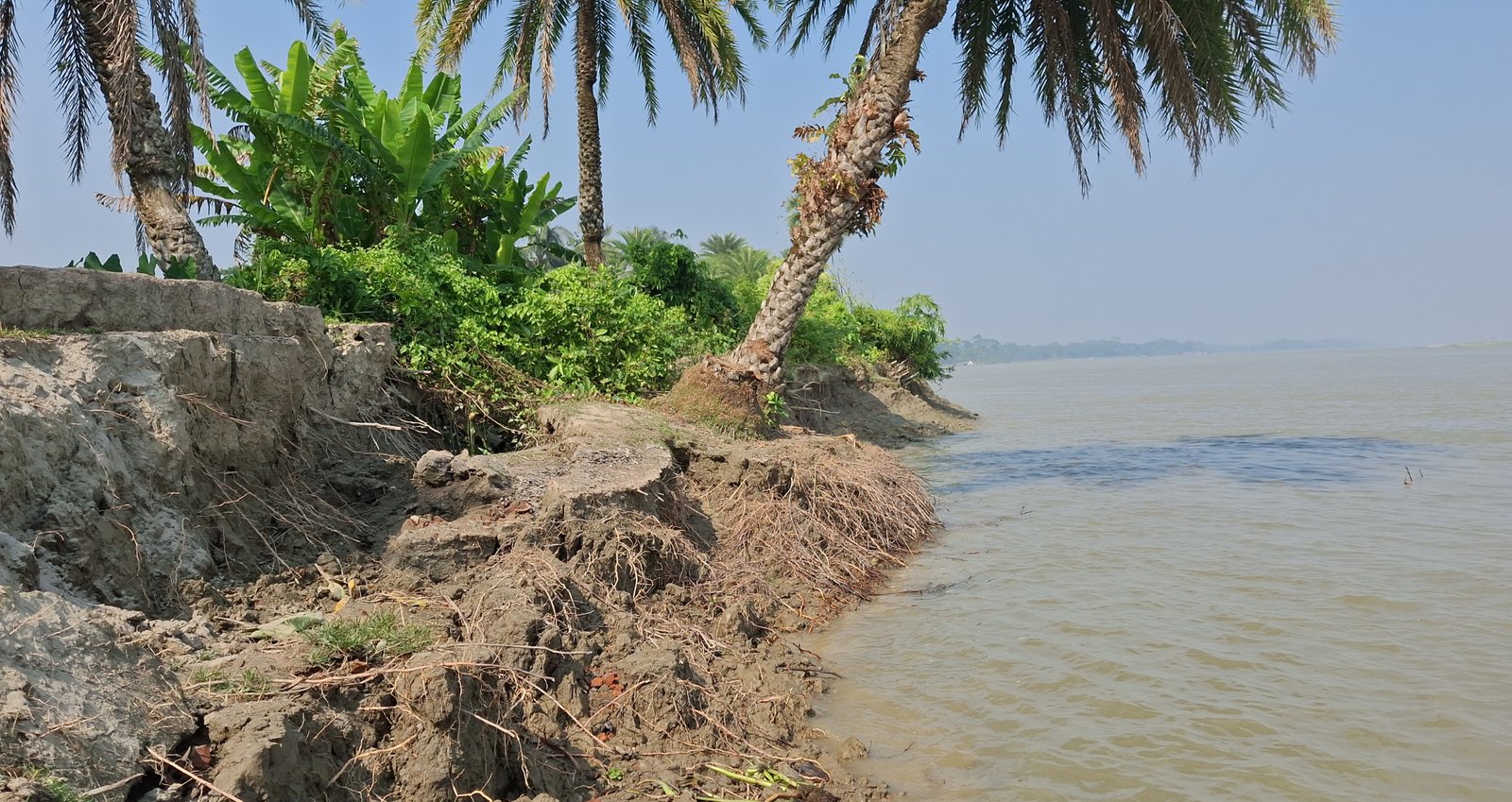
Despite the passage of over five decades, residents of Bangladesh’s southern coast say little has changed. Many remote coastal areas still lack embankments and cyclone shelters, leaving people vulnerable to every new storm. Whenever a cyclone warning is issued, fear grips these communities again.
Environmentalists and locals have repeatedly urged the government to declare November 12 as National Coastal Day to honour the victims and raise awareness for climate resilience, but the demand has gone unheeded.
Siddiqur Rahman, team leader of the Cyclone Preparedness Programme (CPP) in Chandradwip Union, said, “People in the coastal chars still live at risk. There are not enough shelters or embankments. Every year they fight floods and cyclones to survive.”
Veteran journalist and social activist Atul Chandra Pal said, “The 1970 cyclone killed about a million people across the coastal region. That tragedy could have been mitigated if embankments and shelters had existed. Even after 54 years, no sustainable measures have been taken to protect the coastal population. These people remain neglected and forgotten.”