Global climate change may displace an estimated 20 million people of Bangladesh as 17 percent of coastal areas of the country may be submerged due to a gradual rise in seawater.
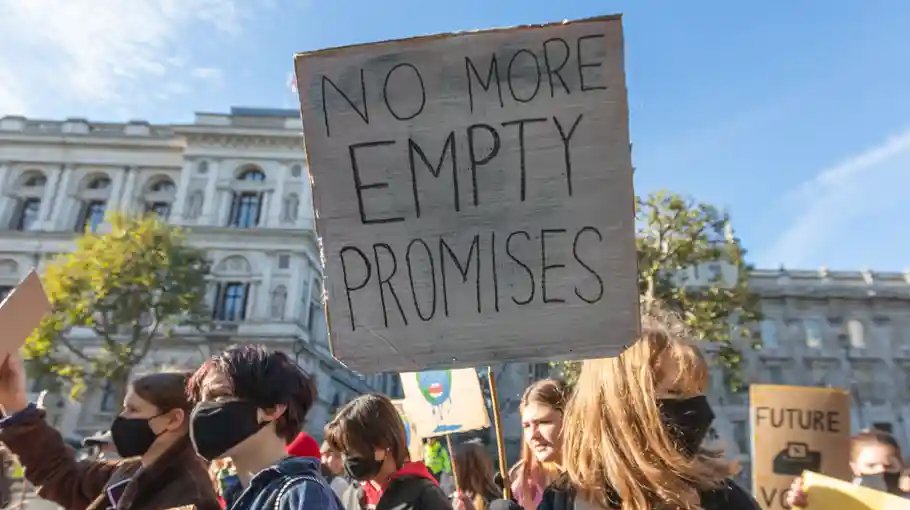
Speakers at a rally held by youth organization - Save Future Bangladesh made the claim in a rally marking the Global Climate Strike 2022 in the capital on Friday.
This year's Global Climate Strike, is being held under the banner ‘We call on policy makers and world leaders to prioritize #PeopleNotProfit’.
Speakers in the rally stated that despite contributing less than 0.47 percent to global carbon emissions, Bangladesh, having a population of over 160 million people, is a country that is most vulnerable to climate change. They said that the effect of climate change (loss of coastal areas) could be visible by 2050.
Global warming is causing the Himalayan glaciers to melt, raising sea levels and increasing the risk of catastrophic disasters. Due to the effects of climate change, floods, cyclones, droughts, tidal surges, river erosion and soil salinity are increasing in Bangladesh, they added.
Nayan Sarkar, an environmental and climate activist and chief coordinator of Save Future Bangladesh, said the effects of climate change are visible around the world.
“We are currently in the midst of a major crisis - the climate crisis. Developed countries are most responsible for climate change. World leaders wasting time and not urgently taking climate action hence the climate crisis is prolonging,” he said.
The speakers said that the lives of thousands of people in Bangladesh are at risk. The future generation is at stake. The coastal areas of Bangladesh are being affected in many ways. Floods, cyclones or river erosion have left people stranded.
Environmentalists and youth activists in the rally made a few demands in this context. They demanded climate refugees be gradually rehabilitated, find a permanent solution of potable water, build sustainable block dams across the coasts and take measures to improve the living standards of the people in the coastal areas etc.
They further demanded climate education be included in the national textbook and to put a halt to or find sustainable ways to execute projects that harm the environment.
They added that the country's hills, forests, trees, wildlife and rivers, water bodies, above all, the environment must be protected and steps must be taken for restoration. Effective measures should be taken against environmental, plastic and air pollution.