No people in the country will be out of sanitation facility by 2030 as the government has embarked on plans to bring all people under this hygiene.
According to the Local Government and Department of Public Health Engineering (DPHE), about 99 percent of the people in Bangladesh have already come under sanitation programme. A few slum dwellers, affected by river erosion, and some people from the Bede community are yet to come under hygiene facilities.
Sanitation is an important factor in achieving Sustainable Development Goals (SDG). This issue of people has also been included in the government's action plan.
The sanitation situation in the country has a long history of progress. In 1954, DPHE and the World Health Organization (WHO) first jointly adopted an action research program to eradicate the then cholera outbreak.
Through this, measures are being taken for safe removal of human waste. Later in 1962, DPHE and UNICEF introduced the first free sealed toilets among the people of the designated area.
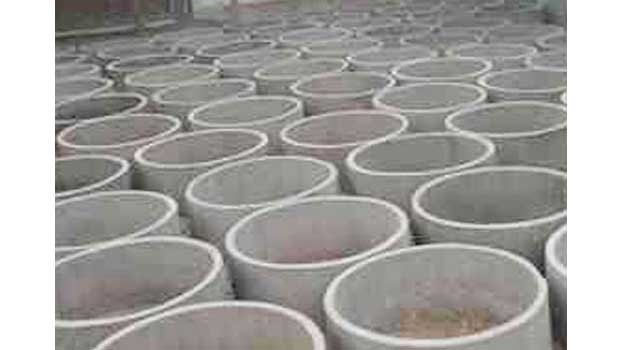
Sales of concrete slabs and water-sealed toilets began in 1975 with subsidies. From 1980 to 1990, UN International Drinking Water Supply and Sanitation was emphasized. In the late 1980s, a separate shop was set up to sell latrine and its products in the country's rural area.
Despite the efforts of DPHE and UNICEF in the late 1990s, progress in sanitation was only 16 percent. In 1991, a 10-year National Sanitation Strategy was introduced. During this time there was a great improvement in sanitation in the whole country.
According to the Department of Public Health Engineering, the rate of sanitary latrines in Bangladesh was very low in the seventies. The World Bank's Water and Sanitation Program has determined that the sanitation rate in Bangladesh at that time was only 1 percent.
Although UNICEF's tube well revolution and the successful introduction of food saline in the 1980s have greatly reduced diarrhea-related mortality, the prevalence of diarrhea and malnutrition has not diminished proportionately due to poor use of sanitary latrines. In the early nineties, about 40 percent of the people in Bangladesh used to defecate in the open.
Abdul Monnaf, Project Director (PD) of the National Sanitation Project (3rd Phase), said the third phase of the project is currently underway. The third phase began in January 2016 and the project will be completed in December this year. The implementation of the project started at a cost of Tk 150 crore. So far the project has spent Tk 140 crore.
“The Department of Public Health Engineering, the World Health Organization and UNICEF have provided latrine ring slabs to the public, sometimes free of charge, sometimes at low cost to popularize sanitary latrines. The success has been limited,” he added.
He furthermore said “In the nineties, the Department of Public Health Engineering, UNICEF and other donor agencies and NGOs were vocal in their determination to increase sanitation to 100 percent within a decade. It was like a movement. The project work is nearing completion. I hope the whole work of the project will be completed by next December.”